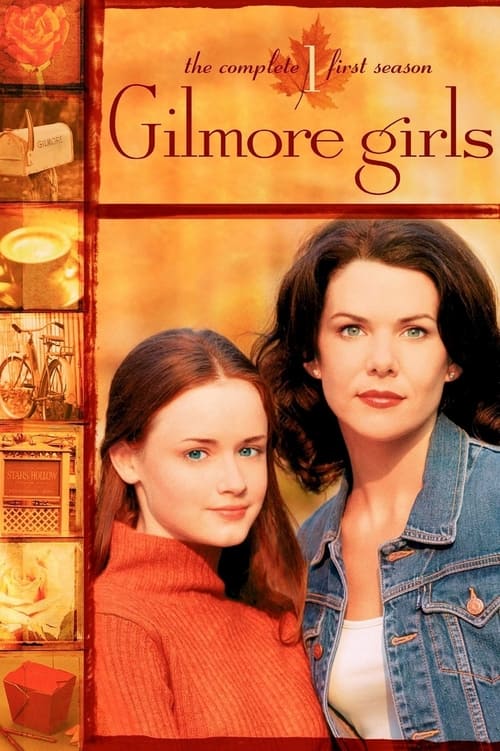
Gilmore Girls
Season 1 Analysis
Season Overview
No specific overview for this season.
Season Review
Categorical Breakdown
Characters are defined by their personalities and professional roles rather than their racial or ethnic backgrounds. Diverse characters like Michel and Lane are integrated naturally into the story without lecturing the audience on privilege or systemic issues. The show functions as a meritocracy where Rory’s success is earned through academic rigor.
The series celebrates small-town American life and Western traditions. It portrays the local community, town meetings, and historical festivals with affection and reverence. The conflict with the wealthy elite is based on personal family dynamics and class friction rather than a hatred for Western civilization or its history.
Lorelai is a self-made woman who values her career, but her primary identity is that of a devoted mother. The show depicts her as strong and independent without emasculating the men around her. Luke Danes is portrayed as a capable, protective, and essential masculine figure, creating a complementary balance in the social fabric of the town.
The season adheres to a traditional normative structure. All romantic arcs are heterosexual, and there is no presence of gender ideology or queer theory. The narrative focuses on the nuclear family, even when it is exploring the challenges of a single-parent household.
Faith is depicted as a normal part of the social landscape. The local minister and rabbi are portrayed as friendly, respected leaders who contribute to the community's well-being. While strict religious adherence is sometimes used for comedic effect through Lane’s mother, the show does not treat Christianity or faith as inherently toxic.