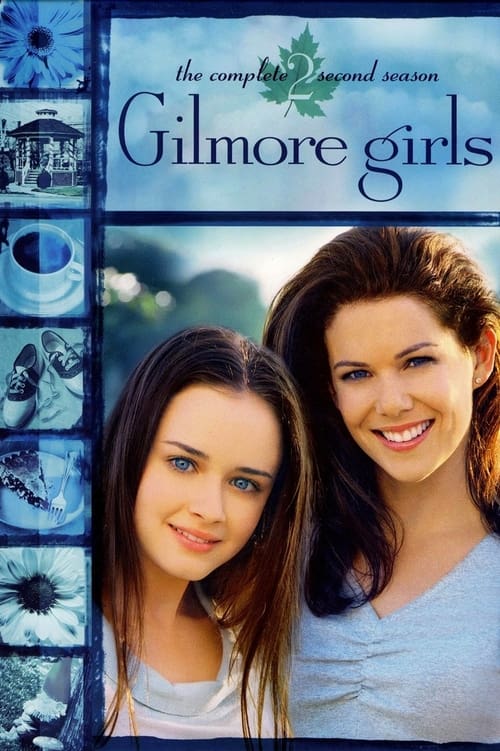
Gilmore Girls
Season 2 Analysis
Season Overview
No specific overview for this season.
Season Review
Categorical Breakdown
The show features a predominantly white cast that reflects its New England setting without forced diversity quotas. Characters of different backgrounds, such as Michel and Lane, are defined by their personalities and professional roles rather than their race. There is no discussion of systemic oppression or intersectional hierarchy.
Stars Hollow is depicted as a sanctuary of Western small-town life. The narrative celebrates local history, town meetings, and traditional festivals. The protagonists appreciate their community and seek to preserve its unique character against corporate or outside interference.
The series focuses on female autonomy and career success, but it does not emasculate its male characters. Lorelai and Rory are depicted as flawed individuals who face consequences for their mistakes. While the show promotes female independence, it also highlights the desire for stable romantic partnerships and the importance of mother-daughter bonds.
The season adheres to traditional normative structures. All romantic subplots involving the main and supporting cast are heterosexual. There is no inclusion of gender theory or the deconstruction of biological reality.
Religion is primarily depicted through Lane’s mother, who is often portrayed as an overly strict and legalistic caricature of Seventh-day Adventism. While the show treats secularism as the norm, it does not frame Christianity as an inherently evil or destructive force, though it lacks a serious engagement with faith.