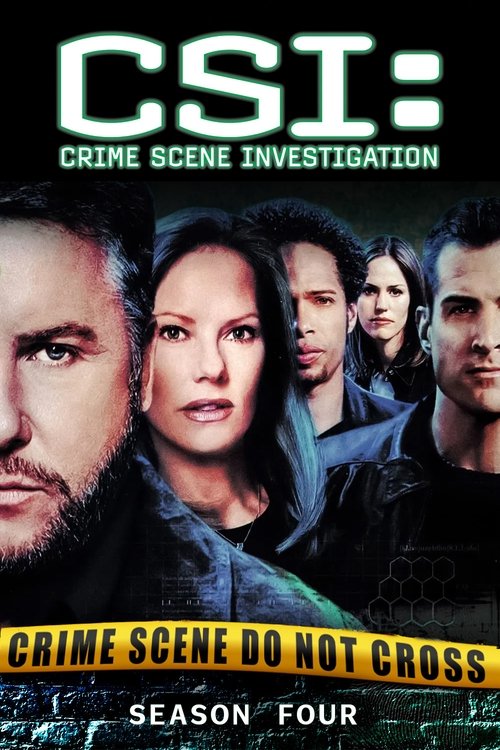
CSI: Crime Scene Investigation
Season 4 Analysis
Season Overview
No specific overview for this season.
Season Review
Categorical Breakdown
The narrative centers entirely on the science and forensic evidence of the case, which operates on a universal meritocracy of fact over personal identity. The diverse main cast, including Warrick Brown and Sara Sidle, are defined by their professional competence, not by an intersectional hierarchy or political lecturing on privilege. There is no evidence of vilification of 'whiteness' or historical revisionism.
The central institutional framework of the CSI team is portrayed as the necessary, effective shield against the chaos and depravity of Las Vegas life. While the show exposes the dark underbelly of American society (crime, greed, violence), it respects the mission of law enforcement and justice. The system is the solution to the city's chaos, not a source of civilizational self-hatred.
Female leads Catherine Willows and Sara Sidle are highly professional and hold key positions of authority as Level 3 CSIs. Sara is occasionally framed as a personal advocate for female victims of sexual violence, a theme that emphasizes the victimization of women by men. Catherine's storyline highlights a nuanced struggle between a fulfilling career and motherhood, suggesting the traditional role is a challenge rather than a 'prison' and avoiding explicit anti-natal messaging.
Alternative sexualities are present in select crime-of-the-week plots, such as a prison romance leading to murder and a case where a young man is killed due to the intolerance of a family member. This is a sensationalist, case-based inclusion of 'taboo subjects' consistent with an early 2000s drama. The focus is on the crime and its motive, not on centering sexual identity or lecturing the audience on modern gender ideology or deconstruction of the nuclear family.
The core of the show is the materialist philosophy of forensic science, where all truth is derived from objective evidence found at the scene. This secular approach inherently downplays or dismisses the role of religious faith as a source of truth or transcendent morality. However, the show does not actively demonize Christianity or portray religious characters as villains or bigots; morality is implicitly the objective law that the evidence reveals.