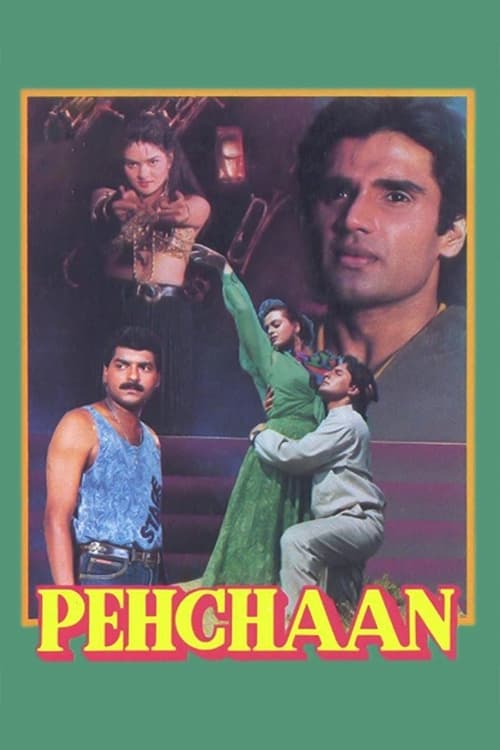
Pehchaan
Plot
A convict by the name of Yogi Shankar is accused of sexual molestation in court. The Judge Jagdish Verma who is responsible for passing Jogi's sentence is well aware of Jogi's behavior as he was once Jogi's defense advocate. With no hesitation Jagdish Verma grant a seven years period of rigorous punishment to Jogi despite his pleadings. The Judge family consists of his wife Urmilla, sons Kunal and Karan Verma; on completion of his seven years sentence Jogi is released from jail and abducts Urmilla, finds out that she is pregnant, ensures that she gives birth to a baby girl Tina and then kills her.
Get the Weekly Woke Watchlist
New and trending movies scored for woke bias, preachy messaging, and forced political themes — before you waste your evening.
No spam. One useful email per week.
Overall Series Review
Categorical Breakdown
The plot is entirely driven by a personal conflict of revenge between an individual judge and an individual convict. Character merit and moral actions determine the conflict and allegiances. No elements of racial, caste, or intersectional hierarchy are utilized. The casting is culturally and historically authentic to a 1993 Indian production.
The film does not show hostility toward its own home culture or ancestors. The entire narrative is set within the Indian judiciary and family system, and the plot centers on the attempt to destroy the Judge's family, a pillar of the traditional structure. The story is an affirmation of the fight against internal corruption and crime, not a broad indictment of the civilization.
The score is high due to the extreme anti-natal and anti-family messaging inherent in the revenge plot. The villain's primary goal is the destruction of the family unit, achieved through the abduction and eventual killing or rejection of the wife, Urmila, and the subsequent exploitation of the daughter, Tina, who is groomed to be a prostitute. Women in the story are framed as direct victims and objects of a male revenge scheme, which is the antithesis of the 'complementarianism' ideal and an extremely dark depiction of anti-natal outcome, where motherhood and daughterhood are catastrophically punished.
The narrative adheres strictly to a normative structure, centering on the traditional male-female pairing and the nuclear family unit as the standard to be protected or destroyed. There is no presence of alternative sexualities, gender ideology, or deconstruction of the nuclear family beyond the villain's attempt to specifically ruin the Verma family.
The core of the film is a morality tale about justice, crime, and vengeance, implying an objective moral law that the villain transgresses. There is no anti-religious messaging or spiritual vacuum; the conflict is focused on the legal and personal consequences of sin and justice.
Get the Weekly Woke Watchlist
New and trending movies scored for woke bias, preachy messaging, and forced political themes — before you waste your evening.
No spam. One useful email per week.