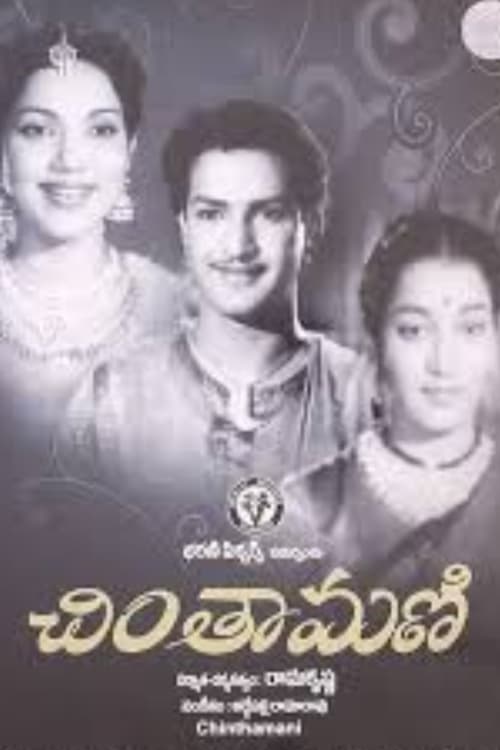
Chintamani
Plot
Chintamani, a courtesan, is a devotee of Lord Vishnu. Her strong faith impresses Lord Vishnu and he decides to help her with her problems.
Get the Weekly Woke Watchlist
New and trending movies scored for woke bias, preachy messaging, and forced political themes — before you waste your evening.
No spam. One useful email per week.
Overall Series Review
Categorical Breakdown
The narrative is a devotional story focused on sin and spiritual redemption, placing emphasis on the content of a character's soul (devotion) over their social status as a courtesan. The casting is culturally and historically authentic to the South Indian mythological genre, with no reliance on immutable characteristics or a forced intersectional lens to drive the plot.
The entire film is a celebration of Hindu faith, specifically the Vaishnavite tradition of *bhakti* (devotion) to Lord Krishna. The plot's resolution involves the direct intervention of Hindu deities to guide the protagonist to the 'right path.' The narrative affirms, rather than deconstructs, the spiritual heritage and morality of the culture.
The protagonist, Chintamani, is a courtesan, placing her outside the traditional feminine role. However, she is coerced by her mother, and the core of her story is her transition from a life of sensual indulgence to one of pious devotion. This spiritual fulfillment is presented as the ultimate good, contrasting with the destructive, materialist actions of her mother and the merchant's lust. The narrative celebrates spiritual complementarianism and motherhood (represented by the devoted wife Radha, whose death is a tragedy) over secular 'Girl Boss' tropes.
The story is centered on a tragic heterosexual affair between a married man and a courtesan, which serves as a catalyst for a spiritual crisis and subsequent redemption. The film frames the traditional male-female marriage/family as the desired normative structure, with the affair being the source of great sin and destruction that must be repented. No alternative sexualities or gender ideology are present in the narrative.
The film's final version was characterized by its serious, devotional tone and even sarcastically referred to as 'Bhakta Chintamani' (Devotee Chintamani) by the audience. Lord Krishna and Rukmini descend to Earth to personally guide the protagonist. Faith is explicitly presented as the source of morality, redemption, and a higher truth, directly opposing anti-theistic views.
Get the Weekly Woke Watchlist
New and trending movies scored for woke bias, preachy messaging, and forced political themes — before you waste your evening.
No spam. One useful email per week.