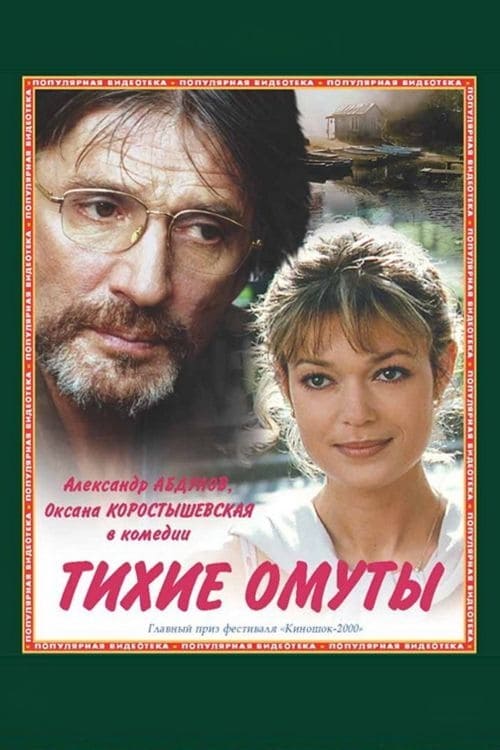
Still Waters
Plot
Kashtanov, professor of medicine and famous Moscow surgeon, is experiencing midlife crisis. Suddenly he decides to leave everything and escape to the countryside in order to spend some time with old friends.
Get the Weekly Woke Watchlist
New and trending movies scored for woke bias, preachy messaging, and forced political themes — before you waste your evening.
No spam. One useful email per week.
Overall Series Review
Categorical Breakdown
The film's focus is on an internal Russian story about professional life, marital troubles, and a financial mystery. All main characters are Russian and defined by their professional roles, class, and personal virtue/flaws, not by race or intersectional identity. The concept of vilification of 'whiteness' or forced diversity is absent from the narrative.
The central conflict involves the protagonist escaping the 'domineering' aspects of Moscow and his stressful career, finding solace and a 'pastoral idyll' in the Russian countryside. This setup contrasts a difficult urban environment with a more simple, natural Russian setting. The film critiques personal corruption and stress but does not frame the entire national or civilizational culture as fundamentally corrupt or racist. There is no hostility toward ancestors or glorification of external cultures as superior.
The gender dynamic is the most complex point. On one hand, the protagonist is running from his wife, Polina, who is explicitly described as 'domineering and bad-tempered,' which subverts the 'Girl Boss' ideal. On the other hand, the plot features two highly capable and determined female characters—a police detective and a TV reporter—who are the primary, competent drivers of the mystery's investigation, putting the male lead on the run. The romantic arc involves the male lead finding a new, desirable partner, but the core narrative does not preach anti-natalism or career-only fulfillment, though competent female professionals are celebrated.
The narrative adheres strictly to normative structure, centering on the male-female pairing of the surgeon and his wife, and subsequently his new romance with the female reporter. Sexual themes are traditional and private. There is no presence of alternative sexualities, deconstruction of the nuclear family, or any lecturing on gender ideology.
The plot is a secular romantic comedy and mystery centered on a financial crime, a midlife crisis, and adultery/new romance. It does not engage with questions of faith, religion (specifically Christianity), or objective morality. The spiritual vacuum is a personal one for the protagonist, not an anti-theistic political stance. Morality is judged by the traditional standard of personal honesty and fidelity.
Get the Weekly Woke Watchlist
New and trending movies scored for woke bias, preachy messaging, and forced political themes — before you waste your evening.
No spam. One useful email per week.