Whiteout
Plot
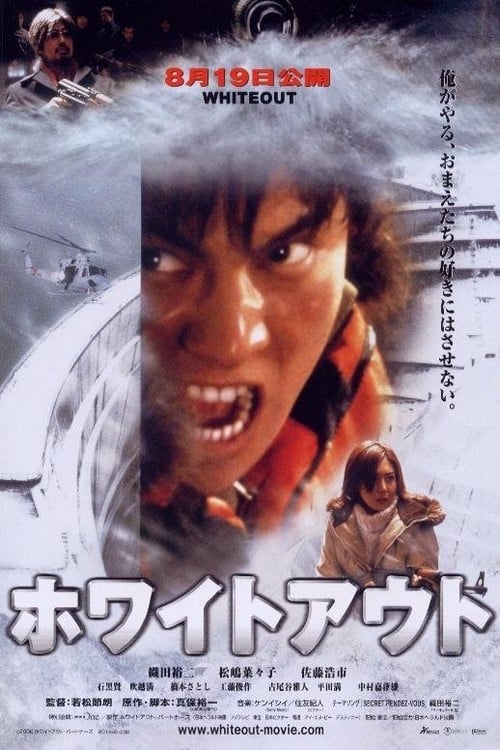
A group of terrorists has taken hold of the largest dam in Japan. They also capture the workers as hostages, and demanded $5 billion yen from the government with a 24 hour deadline in exchange for the lives of the hostages. To make things more complicated, there was a snowstorm and no one can get in or out near the area. Fortunately, the terrorists did not capture Togashi, the dam controller, and he is the only person who can rescue those hostages from the terrorists...
Get the Weekly Woke Watchlist
New and trending movies scored for woke bias, preachy messaging, and forced political themes — before you waste your evening.
No spam. One useful email per week.
Overall Series Review
Categorical Breakdown
Characters are universally judged by their competence and moral fiber; Togashi is defined entirely by his skill as an engineer and his courage. The plot is a merit-based thriller with no reliance on race or intersectional hierarchy. The conflict is centered on a terrorist threat to a national infrastructure, which transcends identity.
The central action involves the protagonist risking his life to protect Japan's largest dam and save Japanese hostages. The narrative inherently celebrates the value of national infrastructure and the bravery of citizens who defend it, positioning the hero as a shield against chaos. The film displays gratitude for the systems and institutions being defended.
The male protagonist, Togashi, is a traditional 'one-man rescue squad' who displays high competence and masculinity. The main female character, Chiaki, serves as a hostage and a crucial emotional catalyst for the hero’s redemption arc, initially displaying resentment towards him due to personal grief. Her role is complementary to the male hero's journey, not an instance of a 'Mary Sue' or 'Girl Boss' trope.
The narrative does not center or feature any alternative sexualities, gender ideology, or deconstruction of the nuclear family structure. The emotional context revolves around the traditional male-female pairing of the hero’s late friend and his fiancée.
The conflict is entirely secular, focusing on a material terrorist plot for money and power. The hero's actions are driven by an objective moral law of duty, sacrifice, and protecting the innocent, serving as a source of transcendent morality without explicit religious commentary.
Get the Weekly Woke Watchlist
New and trending movies scored for woke bias, preachy messaging, and forced political themes — before you waste your evening.
No spam. One useful email per week.