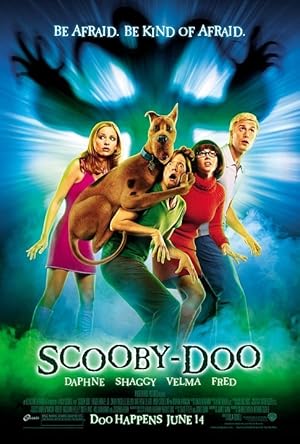
Scooby-Doo
Plot
The Mystery Inc. gang have gone their separate ways and have been apart for two years, until they each receive an invitation to Spooky Island. Not knowing that the others have also been invited, they show up and discover an amusement park that affects young visitors in very strange ways. Fred, Daphne, Velma, Shaggy and Scooby soon realize that they cannot solve this mystery without help from each other.
Get the Weekly Woke Watchlist
New and trending movies scored for woke bias, preachy messaging, and forced political themes — before you waste your evening.
No spam. One useful email per week.
Overall Series Review
Categorical Breakdown
Characters’ primary conflicts stem from personality clashes and professional jealousy, not race or immutable characteristics. The casting maintains the original cartoon's appearance without forced changes or lecturing. The narrative focuses on universal concepts like teamwork and personal merit. The ultimate villain is a self-serving, power-hungry character from the gang's history, not a symbolic representation of a vilified group.
The movie does not present Western civilization or the gang's home culture as inherently evil or corrupt. The threat is a supernatural, demonic plot for world conquest, which the heroes unite to stop, protecting the existing world order. An ancient artifact is the key to the villain's plan, and a local 'voodoo priest' is a conspirator, but the mastermind is a disgruntled member of the gang, preventing a clear 'Noble Savage' or civilizational self-hatred trope from dominating the plot.
Daphne's character arc explicitly involves her shedding her 'danger-prone' image and becoming a competent martial artist capable of fighting and solving clues on her own, directly challenging her prior, passive role. Fred is initially portrayed as a self-absorbed buffoon who takes credit for Velma’s intelligence, which places the male 'leader' in an incompetent light. Velma is consistently depicted as the intellectual genius. The dynamic leans towards female self-sufficiency and competence, though the group's eventual success relies on complementary roles.
No explicit LGBTQ+ ideology is central to the theatrical plot. Velma and Daphne are in traditional male-female pairings in their subplots, though these are underdeveloped. Subtext suggesting alternative sexualities for Fred and a filmed, but cut, kiss between Velma and Daphne existed in the original script, indicating a removed ideological layer, but the final version avoids centering sexual identity or lecturing on gender theory.
The conflict revolves around supernatural elements—demons, soul-swapping, and a ritual to steal a 'pure soul'—which are treated as real threats to be defeated, not fake hauntings. The resolution involves transcendent concepts of good and evil, with the heroes working to restore souls and defeat the demonic force. This objective spiritual reality and moral imperative (saving the world) aligns with transcendent morality; the film does not critique or vilify traditional religion.
Get the Weekly Woke Watchlist
New and trending movies scored for woke bias, preachy messaging, and forced political themes — before you waste your evening.
No spam. One useful email per week.