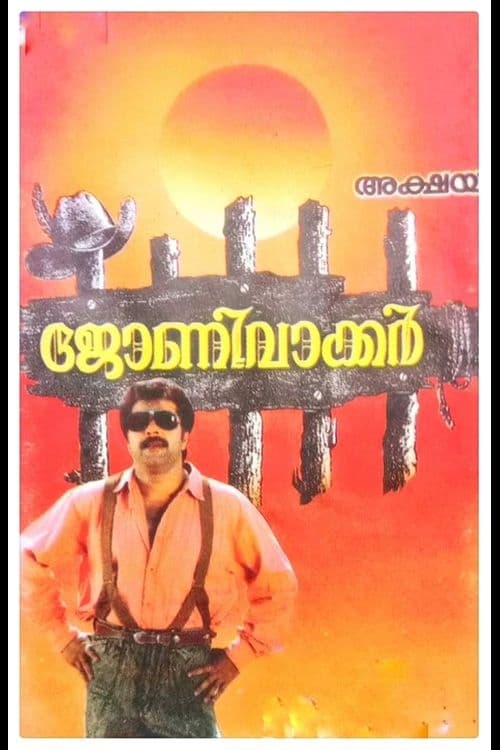
Johnnie Walker
Plot
Johnnie shares a good relationship with his brother who studies in another city. When his brother visits him, he convinces Johnnie to start studying again.
Get the Weekly Woke Watchlist
New and trending movies scored for woke bias, preachy messaging, and forced political themes — before you waste your evening.
No spam. One useful email per week.
Overall Series Review
Categorical Breakdown
The character of Johnnie is judged solely by his moral character and personal agency as he steps up to protect his brother and the college from a drug gang. The central conflict is one of crime and heroism, completely devoid of lectures on privilege, systemic oppression, or any reliance on immutable characteristics for defining virtue or villainy. Meritocracy and brotherly love are the driving forces.
The protagonist's mission involves actively defending a core institution—the college—and his family bond from an internal threat (a drug mafia). This frames the home culture and its structures (education, family) as worthy of protection, not fundamentally corrupt. Johnnie's actions demonstrate a defense of the social order and institutional integrity, exhibiting gratitude rather than civilizational self-hatred.
The core of the narrative is defined by the heroic, protective, and masculine actions of Johnnie Varghese and his fraternal bond with his younger brother. Male characters are not emasculated but are instead depicted as vital and protective. Female characters, including a love interest who is a lecturer and a classmate who is a victim of the drug gang, serve supporting roles and do not exhibit the 'Girl Boss' trope. The plot features a traditional goal of marriage and family as a positive, desired structure.
The story adheres to a normative structure, emphasizing the powerful, non-sexual bond between brothers and the development of a traditional male-female romantic relationship between the younger brother and his classmate. Sexual identity is not centered in the narrative, and the film does not engage with deconstructing the nuclear family or promoting gender ideology, remaining focused on action and family loyalty.
The conflict is built on a clear objective moral framework where drug abuse, violence, and murder are evil, and protection of family and innocence is good. The hero operates under a transcendent moral law of justice. There is no evidence of hostility toward religion or of traditional faith being framed as the source of evil. The narrative validates a search for justice and truth over subjective morality.
Get the Weekly Woke Watchlist
New and trending movies scored for woke bias, preachy messaging, and forced political themes — before you waste your evening.
No spam. One useful email per week.