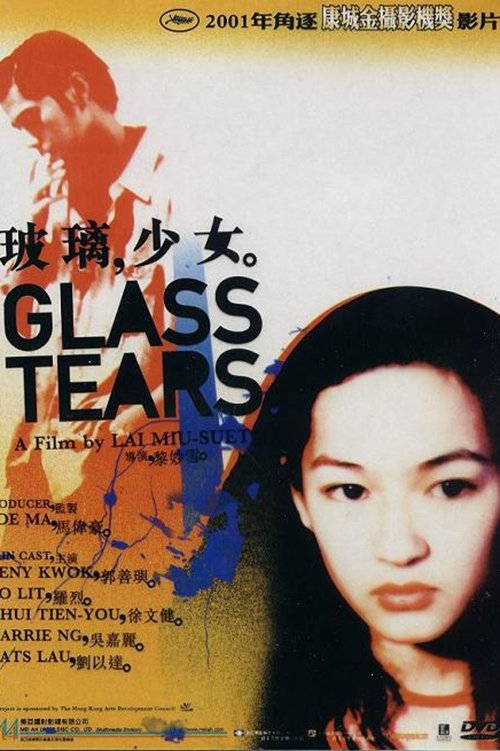
Glass Tears
Plot
An ex-cop searches for a missing teen as a favour to her parents.
Get the Weekly Woke Watchlist
New and trending movies scored for woke bias, preachy messaging, and forced political themes — before you waste your evening.
No spam. One useful email per week.
Overall Series Review
Categorical Breakdown
Characters are judged by their personal actions and merit; the grandfather is a figure of competence and compassion, while the parents are incompetent and apathetic. The casting is ethnically authentic to the Hong Kong setting. No focus on racial hierarchies or the vilification of whiteness exists in this Chinese-language production.
The film criticizes modern social decay, disillusionment among the youth, and the apathy of a middle-class family, which is an internal cultural critique. The main protagonist, the retired cop/grandfather, embodies traditional values of duty and family, serving as a moral anchor who respects his role and institutions rather than demonizing them.
Female characters are prominent and independent, such as the street-wise P and the runaway Cho. The primary negative family portrayal is the 'apathetic' mother and father, but the mother is not an ideological 'Girl Boss.' The primary male figure, Wu, is depicted as highly competent and protective, forming a distinct but complementary bond with the street-kid P. The film does not contain anti-male or anti-natalist lecturing.
The narrative centers on a search for a missing girl within a traditional family structure that has fractured due to apathy. Sexual identity and gender ideology are not central themes, and there is no lecturing. The focus remains on universal issues of loneliness, drug use, and family crisis.
The film’s moral structure is secular, focusing on objective virtues like human compassion, duty, and the pain of loneliness. The story does not contain any critique or vilification of traditional religion, nor does it present Christian characters as villains. Morality is implicitly treated as a higher law related to human connection rather than subjective power dynamics.
Get the Weekly Woke Watchlist
New and trending movies scored for woke bias, preachy messaging, and forced political themes — before you waste your evening.
No spam. One useful email per week.