24
Season 8 Analysis
Season Overview
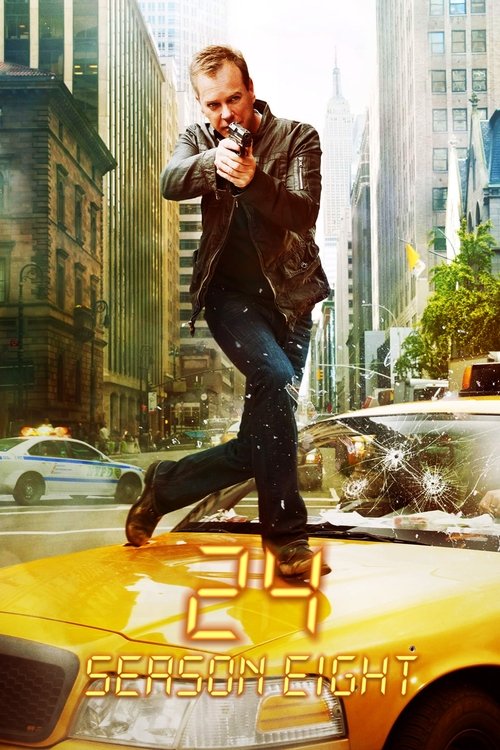
Set 18 months after season 7, the story arc involves Jack Bauer contending with assassination threats made during a peace conference between President of the United States Allison Taylor and President Omar Hassan of the fictional Islamic Republic of Kamistan (IRK). The season is set in New York City, with CTU's New York City Office having been re-activated,
Season Review
Categorical Breakdown
Characters earn their positions through competence and skill. Diverse casting reflects the New York setting without pushing racial quotas or lecturing on privilege.
The plot highlights corruption within high-level government offices, yet positions the protagonist as a patriot fighting to uphold fundamental truths against institutional decay.
Female leaders like President Taylor are portrayed with significant moral complexity and flaws. Traditional masculine archetypes remain central to the action and resolution of conflict.
The narrative maintains a traditional focus on nuclear families and heterosexual relationships. Sexual identity is not a plot point or a tool for social commentary.
The story focuses on geopolitical and ethical dilemmas rather than religious critique. It avoids portraying faith as a primary source of conflict or bigotry.