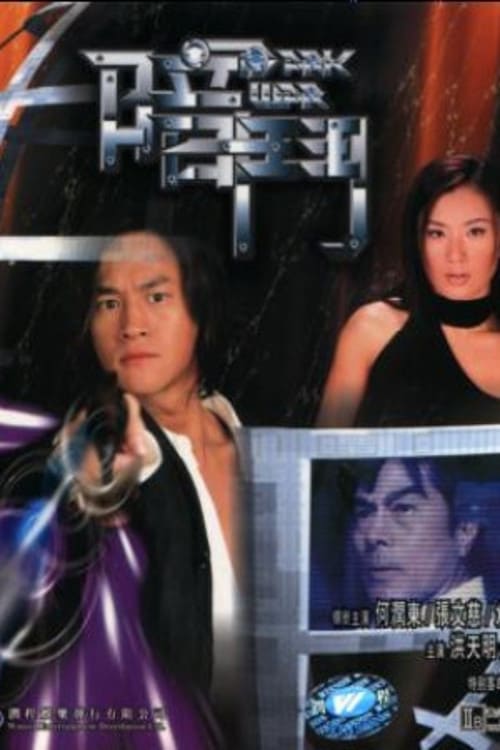
Dark War
Plot
Ken Tsui, a member of an underground organization, is sent to Manila to execute a member of the Filipino government. When he succeeds, he is arrested and sentenced to death. When a psycho cop helps Ken escape, Ken finds refuge with Chang, a man who he helped save. While working in a hotel, Ken is also an assassin who takes a life for only 10 dollars. Meanwhile, the psycho cop begins a killing spree and must find Ken, as Ken's brother, Harry wants him back in the Triads.
Get the Weekly Woke Watchlist
New and trending movies scored for woke bias, preachy messaging, and forced political themes — before you waste your evening.
No spam. One useful email per week.
Overall Series Review
Categorical Breakdown
The film’s central conflict is a high-stakes crime drama about an assassin and the police. The characters are defined by their roles in the criminal underworld, such as Triad members, a psycho cop, and a low-paid assassin. Character worth is based on competence, loyalty, and their capacity for violence, adhering to a universal meritocracy of the genre. There is no evidence of a narrative relying on intersectional hierarchy, vilification of 'whiteness' or forced diversity, as the cast and setting are authentic to the non-Western crime genre.
The setting is Manila, and the conflict centers on an underground organization, a Filipino government official, and Triad operations. There is no framing of Western civilization as fundamentally corrupt or racist, nor is there any demonization of Western ancestors. The hostility is directed toward the criminal element and corrupt government figures, which are internal system critiques, not expressions of civilizational self-hatred toward the West.
The plot summary focuses exclusively on the actions and relationships of the male characters: Ken Tsui, the psycho cop, Chang, and Ken's brother Harry. The story is a male-centric action/crime narrative about assassins and gang loyalty. The central thrust of the plot provides no observable 'Mary Sue' or 'Girl Boss' tropes, nor does it contain anti-natal or anti-family messaging. Masculinity, though often depicted as violent and destructive (Triad/assassin life), is protective and central to the plot’s dynamic.
The narrative is a brutal crime and escape thriller that centers on assassins, police, and Triad conflicts. There is no indication of centering alternative sexualities, deconstructing the nuclear family, or incorporating gender ideology into the plot. The structure is normative to the action genre, where personal and professional survival are the primary drivers.
The plot is a morally ambiguous action story where characters operate on the fringes of the law for profit and survival. The morality is practical and situational to the criminal underworld, not based on a philosophical lecture on moral relativism. There is no evidence of hostility toward religion, specifically Christianity, or the depiction of religious characters as villains or bigots. The transcendent morality of the world is simply not a thematic focus of the action/crime story.
Get the Weekly Woke Watchlist
New and trending movies scored for woke bias, preachy messaging, and forced political themes — before you waste your evening.
No spam. One useful email per week.