Za Sekkan
Plot
Get the Weekly Woke Watchlist
New and trending movies scored for woke bias, preachy messaging, and forced political themes — before you waste your evening.
No spam. One useful email per week.
Overall Series Review
Categorical Breakdown
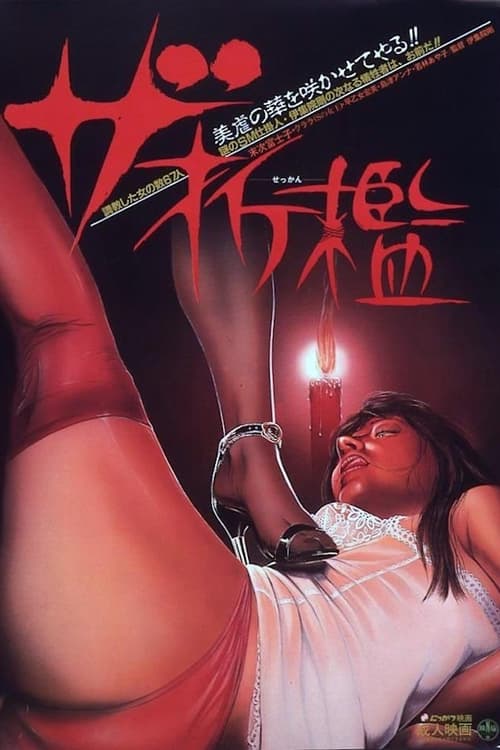
The film is a 1985 Japanese production focused on BDSM and horror. The characters' motivations are purely based on individual sadism and obsession. The concept of vilification of 'whiteness,' forced diversity, or lecturing on systemic oppression based on race or intersectional hierarchy is completely absent.
The narrative is confined to a world of sexual deviance and violence, but it does not function as an ideological critique or express self-hatred toward Japanese culture or Western civilization. The horror stems from individual depravity, not a deconstruction of heritage or ancestral institutions.
Gender roles are deconstructed entirely, revolving around BDSM power dynamics. Female characters can be the 'Sadist Queen' who exerts extreme control and dominance over others, including men, but this is a sexual/psychological horror dynamic, not a 'Girl Boss' empowerment narrative. Women are centered in a powerful sadomasochistic role, but the overall context is highly sexualized and exploitative, not one of complementarianism or modern feminist perfection.
The core of the film centers on alternative, non-normative sexual identities and highly specific fetishes (sadomasochism) which operate entirely outside the nuclear family structure. Sexuality is the main driver of the plot. However, the film is not about modern 'Queer Theory,' gender ideology, or lecturing on sexual politics; it simply depicts extreme sexual deviance without an ideological or political frame.
The world of the film is fundamentally nihilistic, defined by torture, base desires, and sexual sadism, with supernatural horror elements. This environment is a total rejection of any transcendent morality, objective truth, or higher moral law. Faith and moral codes are completely absent or actively defied, creating a spiritual vacuum where the only 'law' is the power dynamic between sadist and masochist.
Get the Weekly Woke Watchlist
New and trending movies scored for woke bias, preachy messaging, and forced political themes — before you waste your evening.
No spam. One useful email per week.