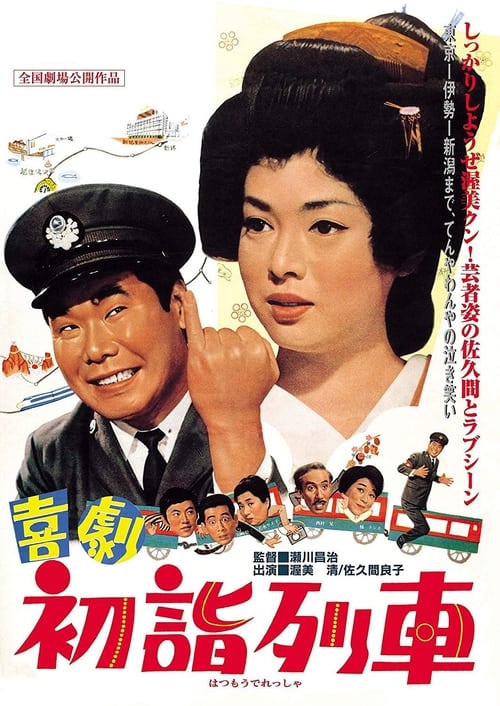
New Year Trip
Plot
A comedy about a good-natured train conductor Shinsaku helping his old friend Miwako find her missing brother.
Get the Weekly Woke Watchlist
New and trending movies scored for woke bias, preachy messaging, and forced political themes — before you waste your evening.
No spam. One useful email per week.
Overall Series Review
Categorical Breakdown
The film operates within a homogenous cultural context where characters are judged by their actions and kindness. No narrative space is given to intersectional hierarchies or grievances based on immutable traits.
The story celebrates the national railway system and Japanese New Year traditions. It portrays ancestors and social institutions as pillars of stability and sources of pride.
Gender dynamics are portrayed through a traditional lens. The male lead takes on a protective, helpful role, and the female lead's motivations are rooted in family and social harmony rather than career-driven 'girl boss' tropes.
The movie adheres strictly to a traditional nuclear family structure and heteronormative social standards. There is no presence of sexual ideology or deconstruction of the family unit.
Religious practices, such as the 'Hatsumode' shrine visit, are depicted with respect as essential cultural and spiritual traditions. Faith is treated as a natural and positive part of daily life.
Get the Weekly Woke Watchlist
New and trending movies scored for woke bias, preachy messaging, and forced political themes — before you waste your evening.
No spam. One useful email per week.