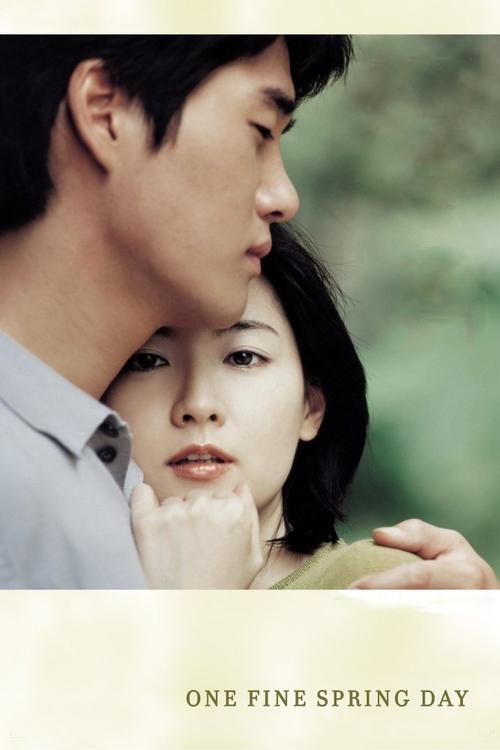
One Fine Spring Day
Plot
A recording engineer falls for a radio announcer after they work together to capture sounds of the natural world.
Get the Weekly Woke Watchlist
New and trending movies scored for woke bias, preachy messaging, and forced political themes — before you waste your evening.
No spam. One useful email per week.
Overall Series Review
Categorical Breakdown
The film focuses on the individual personality and emotional maturity of the two main characters. Race-based conflict or intersectional hierarchy is entirely absent. Casting is authentic to the South Korean setting, which is not a ‘race-swap’ or forced diversity insertion. Character merit and emotional baggage drive the plot.
The film is set in South Korea and displays a deep appreciation for the country's natural world and traditional settings, which are central to the characters' work and romance. The male lead is part of a multi-generational family and is devoted to his senile grandmother, showcasing respect for family and ancestry. The narrative does not portray the native culture or society as fundamentally corrupt or evil.
Eun-su is an independent, professional woman in a position of authority who initiates the relationship and is the one to terminate it due to her unwillingness to commit, stemming from a past failed marriage. Sang-woo is tender-hearted and emotionally the more vulnerable and 'clinging' partner in the breakup. While the female lead is an emotionally controlled career woman, the male is not depicted as a toxic or bumbling caricature, but rather a genuinely loving man whose earnestness is simply a poor match for her emotional reality. This leans away from complementarianism but avoids overt misandry or anti-natalist lecturing.
The story is a straightforward heterosexual romance. Sexual identity is a non-issue, with all character focus being on the complexity of male-female commitment and emotional experience. The traditional family structure is present in the male lead’s life, and there is no attempt to deconstruct the nuclear family or introduce gender ideology themes.
The core philosophical theme of the film is the 'impermanence' of life and love, a concept rooted in Buddhist tradition. A temple and Buddhist-aligned philosophical views are presented as a natural element of the setting and a source of quiet reflection. There is no hostility toward religion or suggestion that traditional faith or morality is the root of evil; instead, an objective, transcendent truth about the fleeting nature of existence is acknowledged.
Get the Weekly Woke Watchlist
New and trending movies scored for woke bias, preachy messaging, and forced political themes — before you waste your evening.
No spam. One useful email per week.