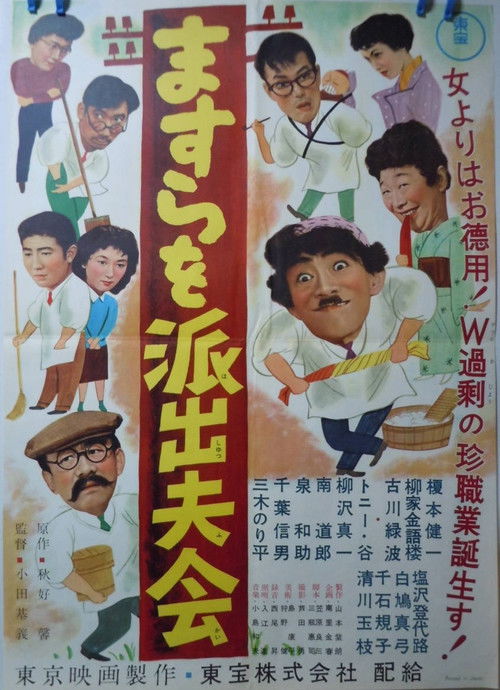
Masura o hashutsu fukai
Plot
Based on a comic strip by Kaoru Akiyoshi. First in a four part film series.
Get the Weekly Woke Watchlist
New and trending movies scored for woke bias, preachy messaging, and forced political themes — before you waste your evening.
No spam. One useful email per week.
Overall Series Review
Categorical Breakdown
Characters are judged by their skill, honor, and moral character within the social structure of the era. The narrative features a traditional Japanese cast in a Japanese setting, precluding the themes of 'whiteness' vilification or forced diversity.
As a classic Japanese period piece centered on a national hero, the film inherently affirms traditional Japanese culture, institutions, and the concept of a just social order. It is an exploration of internal Japanese conflict, not an attack on the civilization's core values.
The core of the film is the male hero's journey and martial prowess, fitting the traditional 'Masurao' concept. Female characters function in complementary roles, supporting the hero, or as innocent victims in need of protection. There is no messaging promoting emasculation or anti-natalism.
The story adheres to the normative structure of the era and genre. The film focuses on action, honor, and traditional social dynamics. Sexual identity or non-traditional gender theory is not a factor in the narrative or character motivation.
The hero’s pursuit of justice operates within a framework of clear moral absolutes. The setting and genre do not feature any hostility toward traditional religious or spiritual morality, treating faith and a higher moral law as a natural part of the world.
Get the Weekly Woke Watchlist
New and trending movies scored for woke bias, preachy messaging, and forced political themes — before you waste your evening.
No spam. One useful email per week.