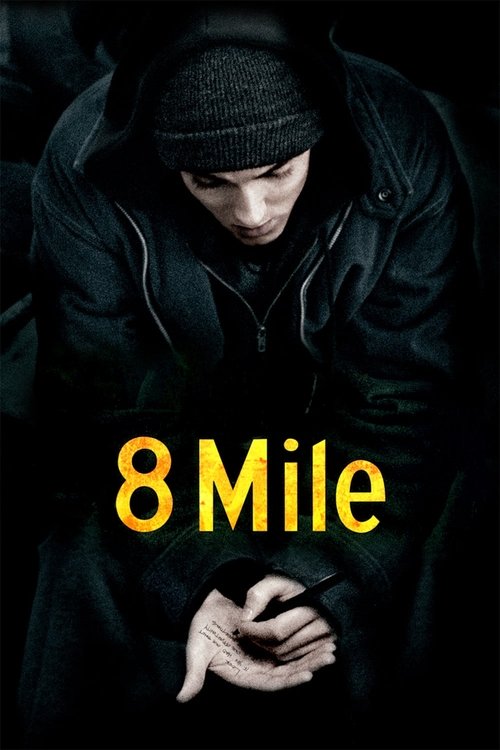
8 Mile
Plot
For Jimmy Smith, Jr., life is a daily fight just to keep hope alive. Feeding his dreams in Detroit's vibrant music scene, Jimmy wages an extraordinary personal struggle to find his own voice - and earn a place in a world where rhymes rule, legends are born and every moment… is another chance.
Get the Weekly Woke Watchlist
New and trending movies scored for woke bias, preachy messaging, and forced political themes — before you waste your evening.
No spam. One useful email per week.
Overall Series Review
Categorical Breakdown
The core conflict revolves around a white male protagonist who is targeted and ridiculed by his peers based on his race and socio-economic status, frequently referenced by insults like 'whitey' and 'trailer park'. This is a reversal of the typical power dynamic, showing a white character as the one facing race-based obstacles. The narrative ultimately resolves through the protagonist's raw skill and self-acceptance, valuing individual merit over immutable characteristics or group hierarchy.
The film does not contain a narrative that attacks Western civilization, ancestors, or American institutions. The focus remains tightly on the desperate, gritty realism of the working-class environment in Detroit and the protagonist's struggle against his immediate personal circumstances. Institutions like the family are shown as dysfunctional due to personal failings and poverty, not as fundamentally corrupt societal constructs.
The gender dynamic shows the male protagonist's journey to overcome his 'emasculated' status and gain respect. Female characters, including his mother, are frequently portrayed as volatile, toxic, or an obstacle to his ambition, rather than as empowered 'Girl Boss' figures. The story frames the women's actions as sources of 'stress and humility' that the male hero must ultimately rise above to achieve success.
Alternative sexualities are a minor and incidental element. A co-worker is insulted with homophobic slurs during a freestyle battle, and the protagonist defends him with his own rap. The film centers on normative male-female relationships, which are themselves chaotic and troubled. There is no centering of sexual identity as a theme or any lecturing on modern gender theory in the plot.
The environment of the film is one of pervasive moral darkness, reflecting a spiritual vacuum and moral relativism where personal success is gained through raw ambition and verbal aggression. Morality is shown as subjective, based on the 'theology of the market' and survival in a world of 'curses' rather than a higher moral law. However, the film avoids explicit anti-Christian messaging, and one character even expresses a desire to find strength through faith.
Get the Weekly Woke Watchlist
New and trending movies scored for woke bias, preachy messaging, and forced political themes — before you waste your evening.
No spam. One useful email per week.