Peanuts
Plot
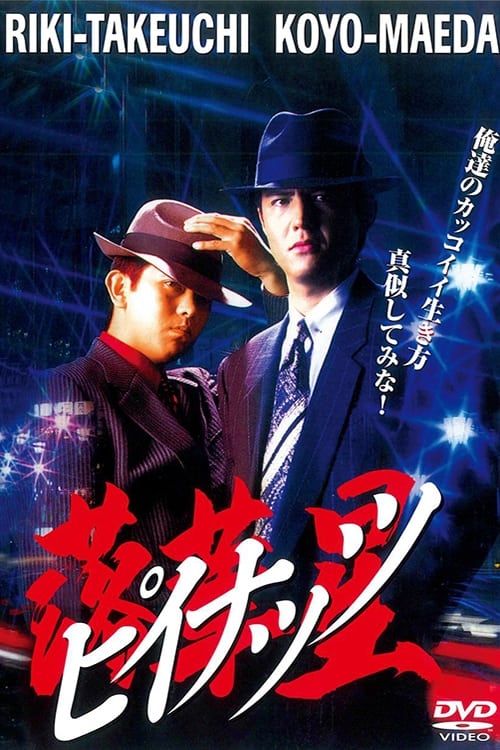
Two mysterious tough guys infuriate a local gang after helping an elderly grocery store owner with his debts by robbing a yakuza organised gambling den.
Get the Weekly Woke Watchlist
New and trending movies scored for woke bias, preachy messaging, and forced political themes — before you waste your evening.
No spam. One useful email per week.
Overall Series Review
Categorical Breakdown
The core plot is a crime/action narrative where characters are judged by their skills and capacity for criminal morality, not by race or intersectional standing. The villain is a Japanese yakuza boss who demonstrates explicit racial bigotry by ordering the killing of his daughter's black partner, framing racism as a villainous trait without engaging in a lecture on privilege or systemic Western oppression.
The film is a genre work focused on the Japanese underworld, specifically the yakuza and lowlife culture. Its criticism is directed internally at the corruption and violence within this criminal context and does not engage in hostility toward Western civilization, its ancestors, or core institutions.
The most powerful villain is the head of a yakuza gang, a woman named Kurogane Mitsuko, who is portrayed as ruthless and violent. This subverts the damsel trope but does not present a 'Girl Boss' who is morally perfect or flawless. Another female character, the villain's daughter, makes a choice to stay with the father of her child, which opposes an anti-natalist message.
The story centers on conventional, though often transactional or criminal, male-female relationships. The film's primary focus is on action and crime, with no presence of alternative sexual ideologies, deconstruction of the nuclear family as a concept, or any messaging about gender identity.
The narrative exists entirely within a criminal underworld. It adheres to a moral code of personal loyalty and vengeance but does not contain any critique of religion, anti-theist messaging, or a presentation of Christian characters as villains. The morality is ambiguous and grounded in the criminal genre, not in a philosophical lecture on subjective power dynamics.
Get the Weekly Woke Watchlist
New and trending movies scored for woke bias, preachy messaging, and forced political themes — before you waste your evening.
No spam. One useful email per week.