The Wire
Season 4 Analysis
Season Overview
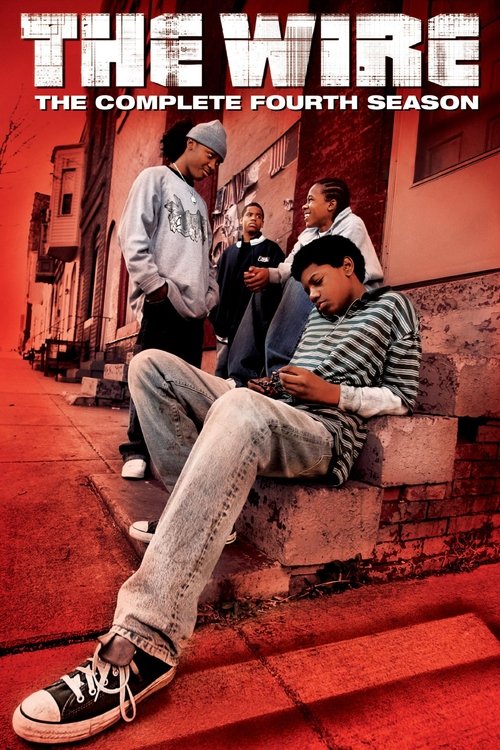
In the projects. On the docks. In City Hall. And now, in the schools. The places and faces change, but the game remains the same. A new story begins. This year, while expanding on storylines introduced in previous seasons — including the new vocations of several characters, the rise of a new drug empire, and the city's imminent mayoral election — the series expands its focus into Baltimore's school system, providing an inside look at the role of the urban educational system in shaping young people's lives. This storyline is played out through four new young characters, each of whom faces difficult choices amidst the temptation of crime and easy money.
Season Review
Categorical Breakdown
The narrative focuses on the failure of institutions like the school system and the police department rather than racial lecturing. Characters are judged by their actions and survival skills within a broken system, and the show avoids the 'white man bad' trope by depicting incompetence and corruption across all racial groups.
The season critiques specific government policies and bureaucratic failures, such as the focus on standardized testing, without demonizing the foundations of Western civilization. It portrays the struggle to improve the city as a tragic uphill battle against organizational dysfunction rather than a hatred for the nation or its history.
Female characters are depicted with the same flaws and grit as their male counterparts. There are no 'Girl Boss' tropes; instead, women like Kima and Snoop are shown as tough, often making the same moral compromises as the men. The show avoids demeaning masculinity, highlighting father figures like Bunny Colvin and Cutty as positive influences.
The series features prominent gay characters like Omar and Kima, but their sexuality is a secondary trait to their roles on the street or in the police force. The show does not engage in queer theory or gender ideology, and it avoids lecturing the audience on sexual identity.
Religion is portrayed as a quiet, functional part of the community. Characters like the Deacon provide pragmatic moral guidance and support, and the show does not use faith as a target for ridicule or frame it as a source of oppression.