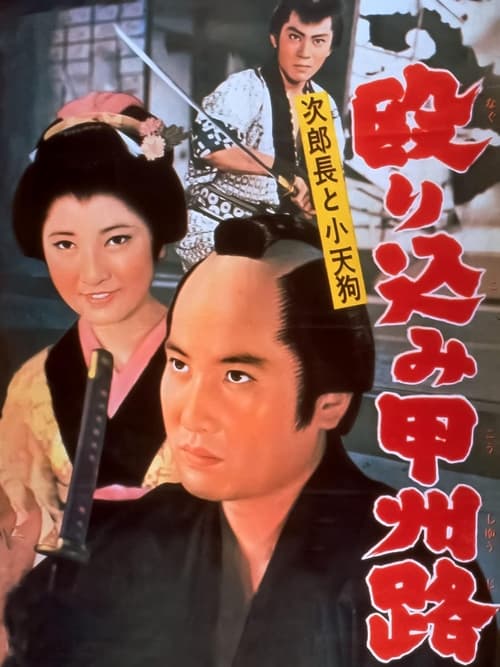
A Revengeful Raid
Plot
In this tale of bravery and honor among the roving gamblers of old Japan, the heroic Jirocho, Boss of the Tokaido is called upon to help a young yakuza named Eijiro after he runs afoul of the new samurai officials who have taken over his hometown. Expertly portrayed by Kitaoji Kinya (son of the all-time great star Ichikawa Utaemon), this young man stands up for the townspeople and puts his life on the line. Jirocho, played by superstar Nakamura Kinnosuke, a boss known for his honor and valor soon finds himself involved in the feud which will only end in a brutal showdown.
Get the Weekly Woke Watchlist
New and trending movies scored for woke bias, preachy messaging, and forced political themes — before you waste your evening.
No spam. One useful email per week.
Overall Series Review
Categorical Breakdown
The narrative is driven by honor and valor, with the heroic yakuza boss Jirocho judging Eijiro and the samurai officials by their actions and character merit. The conflict is between an honorable outlaw and corrupt officials, which is a moral and systemic clash, not a lecture on immutable characteristics or race-based privilege. The casting is historically and culturally authentic to period Japan.
The central conflict involves a local hero, Jirocho, who fights to protect the townspeople and uphold a code of honor, demonstrating a deep respect and loyalty to his home culture and community. The struggle is against internal corruption (samurai officials), reinforcing core traditional Japanese values of duty and justice, not an attack on the civilization itself.
The plot focuses on a male-centric narrative of heroic duty, with Jirocho and Eijiro's feud and showdown dominating the story. The primary themes are masculine virtue (honor, bravery, protection). There are no indications of 'Mary Sue' or 'Girl Boss' tropes, the emasculation of male characters, or anti-family messaging.
The plot is entirely focused on a conflict over honor, justice, and a feudal-era feud, which is consistent with the traditional Japanese chivalry/yakuza genre. Sexual identity is not a factor, and there is no attempt to center alternative sexualities, deconstruct the nuclear family, or lecture on gender ideology.
The core morality of the narrative rests on a transcendent code of honor and valor, the yakuza *jingi* (duty and honor), which functions as a higher moral law guiding the protagonist's actions. There is no mention or depiction of hostility toward religion or the promotion of moral relativism; the entire conflict relies on the existence of objective honor and dishonor.
Get the Weekly Woke Watchlist
New and trending movies scored for woke bias, preachy messaging, and forced political themes — before you waste your evening.
No spam. One useful email per week.