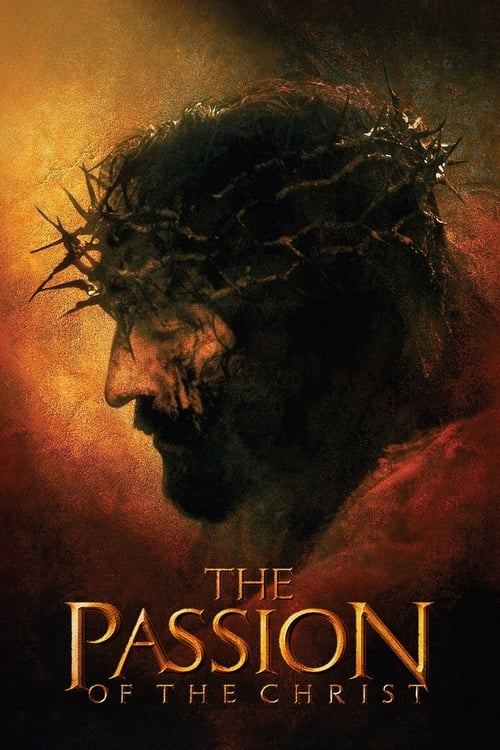
The Passion of the Christ
Plot
A graphic portrayal of the last twelve hours of Jesus of Nazareth's life.
Get the Weekly Woke Watchlist
New and trending movies scored for woke bias, preachy messaging, and forced political themes — before you waste your evening.
No spam. One useful email per week.
Overall Series Review
Categorical Breakdown
The film anchors its conflict in a stark division along ethnic and religious lines, portraying the Jewish religious authorities (Caiaphas, Sanhedrin) and the mob as collectively malevolent and responsible for the protagonist's death. This narrative structure judges characters by their group identity in relation to the main event, rather than universal merit, giving the moral blame an ethnic component. By contrast, key Roman figures like Pilate and his wife are humanized and shown as reluctant. This creates a reliance on group identity for moral condemnation.
The film functions as a reverent, passionate, and graphic affirmation of the central sacrificial narrative of Christianity, a foundational element of Western civilization and heritage. The core message is one of divine love, sacrifice, and transcendent truth, which directly opposes the concept of civilizational self-hatred.
The main female characters, Mary, the Mother of Jesus, and Mary Magdalene, are portrayed as models of compassion, faith, devotion, and sacrificial motherhood. The narrative celebrates these traditional, complementary feminine roles. The protagonist is shown defending women and embodying a strong, protective masculinity, completely avoiding 'Girl Boss' tropes or anti-natalist messaging.
The film is strictly focused on the last hours of Jesus' life as described in traditional Christian accounts. No alternative sexual ideologies, non-normative gender identities, or critique of the nuclear family are present or implied. The film operates entirely within a normative, traditional sexual and familial framework.
This movie is a profoundly religious work that visually and emotionally argues for the transcendent, objective moral truth of the Christian faith. It portrays faith as the ultimate source of strength and salvation, with the protagonist sacrificing himself to atone for sin, directly supporting the concept of a higher moral law.
Get the Weekly Woke Watchlist
New and trending movies scored for woke bias, preachy messaging, and forced political themes — before you waste your evening.
No spam. One useful email per week.