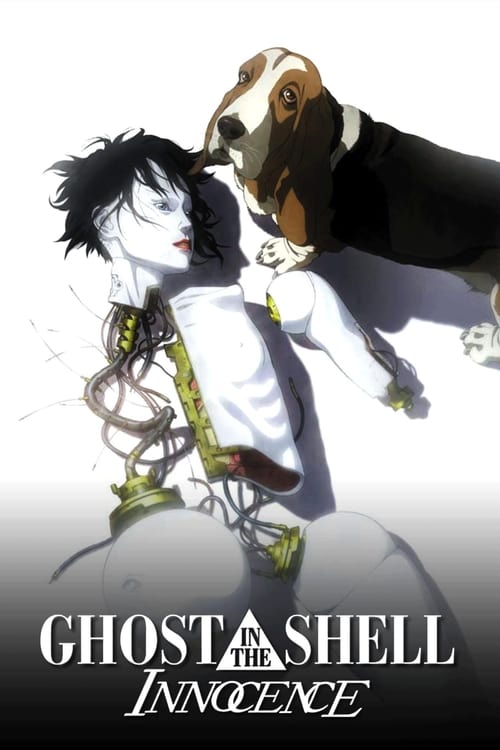
Ghost in the Shell 2: Innocence
Plot
Cyborg detective Batou is assigned to investigate a series of murders committed by gynoids—doll-like cyborgs, which all malfunctioned, killed, then self-destructed afterwards. The brains of the gynoids initialize in order to protect their manufacturer's software, but in one gynoid, which Batou himself neutralized, one file remains: a voice speaking the phrase "Help me."
Get the Weekly Woke Watchlist
New and trending movies scored for woke bias, preachy messaging, and forced political themes — before you waste your evening.
No spam. One useful email per week.
Overall Series Review
Categorical Breakdown
Characters like Batou, Togusa, and the unseen Major are judged entirely by their competence, loyalty, and ethical actions within the narrative. The plot's core conflict is a universal moral dilemma about the definition and theft of the 'ghost' (soul/mind), not a systemic critique based on race or immutable characteristics. The film operates on a meritocratic principle where the individual's philosophical state is paramount.
The narrative is deeply cynical, but its hostility is aimed at the pervasive corruption of the techno-state and its powerful, predatory corporations. This critique targets human greed and the unchecked abuse of technology, which are staples of the cyberpunk genre, rather than any specific national heritage or Western civilization. The film employs Japanese cultural motifs, but institutions like family are shown in a positive light, contrasting Togusa's stability with Batou's isolation, suggesting a subtle defense of traditional anchors.
The central crime is the mass production and illegal trafficking of the 'ghosts' of kidnapped girls into gynoid bodies for sexual objectification and pleasure. This makes the abuse of the female body and its reduction to a tool the very engine of the plot. The narrative includes a character, a forensic expert, who is explicitly named 'Haraway,' a direct reference to a prominent feminist theorist, and who rejects gendered titles, inserting a specific academic feminist critique into the film's text. The main female lead, the Major, is a highly effective, post-human figure who has transcended her biological sex and body.
The movie does not center alternative sexualities or actively promote gender ideology to children. However, the philosophical discussion revolves around the body as a disposable shell and the deconstruction of biological sex and reproductive function. The gynoids, while sexual objects, are described as anatomically a 'no man's land' because they are non-reproductive, and the Major's power is derived from her post-gender transcendence. The theme actively explores the dissolution of traditional male-female biology as a natural consequence of the cybernetic age.
The film constantly uses philosophical and religious allusions, citing figures from Eastern and Western traditions like Confucius, Descartes, and Milton, and employing the concept of the 'ghost' as a soul. It critiques institutional attempts to attain transcendence, viewing transhumanism and organized religion as equally 'chimerical ideologies' in their pursuit of immortality. This is spiritual skepticism and philosophical questioning of morality, not a direct hostility or demonization of traditional religion.
Get the Weekly Woke Watchlist
New and trending movies scored for woke bias, preachy messaging, and forced political themes — before you waste your evening.
No spam. One useful email per week.