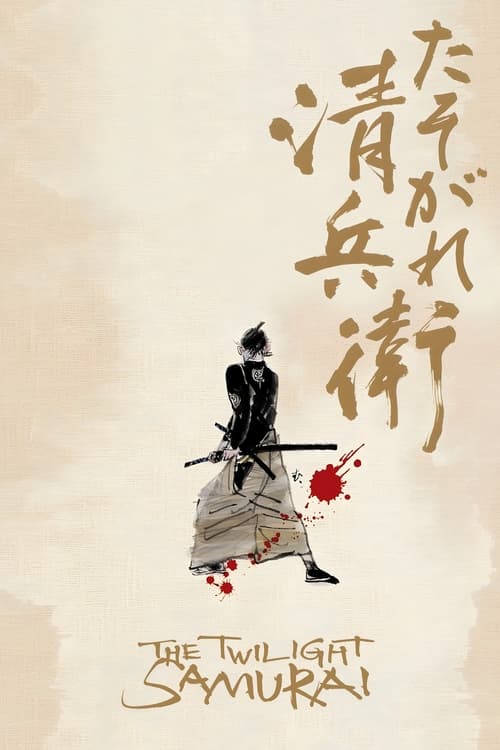
The Twilight Samurai
Plot
Seibei Iguchi leads a difficult life as a low ranking samurai at the turn of the nineteenth century. A widower with a meager income, Seibei struggles to take care of his two daughters and senile mother. New prospects seem to open up when the beautiful Tomoe, a childhood friend, comes back into he and his daughters' life, but as the Japanese feudal system unravels, Seibei is still bound by the code of honor of the samurai and by his own sense of social precedence. How can he find a way to do what is best for those he loves?
Get the Weekly Woke Watchlist
New and trending movies scored for woke bias, preachy messaging, and forced political themes — before you waste your evening.
No spam. One useful email per week.
Overall Series Review
Categorical Breakdown
The narrative critiques a class-based hierarchy that suppresses the protagonist due to his low rank and poverty. The film champions universal meritocracy, showcasing the hero's true worth and skill despite his position, judging the man by his character and dedication rather than his immutable characteristics or class status.
The film’s criticism is directed at the decaying feudal *system* and its bureaucratic unfairness, which forces a good man into poverty and a senseless duel. It is an internal, humanist critique that ultimately valorizes the hero's traditional virtues, such as familial devotion and honor, rather than expressing self-hatred for his civilization.
The protagonist is a sympathetic widower who performs all domestic and childcare duties, yet is celebrated as a heroic figure; this reframes caregiving as protective masculinity. The main female character is strong for leaving an abusive marriage and for her capacity to nurture and stabilize a family, not for being a modern 'Girl Boss' or promoting an anti-natalist message. Complementary roles and parenthood are celebrated.
The film centers on the possibility of forming a traditional male-female relationship as a solution to the hero's loneliness and the family's instability. The entire focus is on the normative, nuclear family structure. There is no presence, centering, or discussion of alternative sexualities or gender ideology.
The core moral conflict revolves around the samurai's code of duty (*Giri*) versus personal feeling (*Ninjo*). The protagonist operates within a high, transcendent ethical framework that provides moral weight to his actions and dilemmas. There is no hostility toward religion or promotion of moral relativism; the struggle is to uphold objective truth in a corrupt world.
Get the Weekly Woke Watchlist
New and trending movies scored for woke bias, preachy messaging, and forced political themes — before you waste your evening.
No spam. One useful email per week.