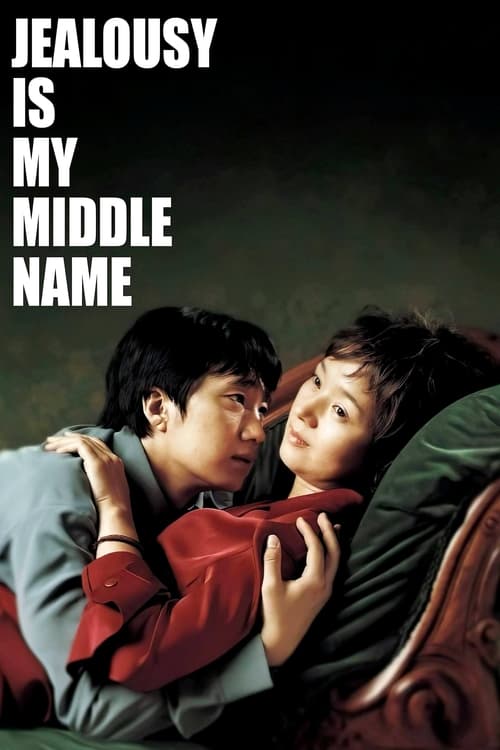
Jealousy Is My Middle Name
Plot
Quiet, intelligent, solemn and recently dumped by his girlfriend, graduate student Lee Weon-san takes a job at a literary magazine, ostensibly to supplement his income, but really to get close to the editor - the reason he’s now single. The editor, unaware of who Lee is, takes a shine to him and makes him his personal assistant.
Get the Weekly Woke Watchlist
New and trending movies scored for woke bias, preachy messaging, and forced political themes — before you waste your evening.
No spam. One useful email per week.
Overall Series Review
Categorical Breakdown
The plot centers on the universally relatable human emotions of jealousy and professional/romantic rivalry. Character value and conflict stem entirely from individual psychology, professional standing, and romantic entanglement. There is no reliance on immutable characteristics or intersectional hierarchy to drive the narrative, nor is there any vilification of an ethnic or racial group.
The film is an intimate character study set within a contemporary South Korean context. The narrative does not contain any critique or deconstruction of Korean national heritage, culture, or societal institutions. The conflict is personal and emotional, completely detached from civilizational self-hatred.
The female lead, a photographer/veterinary surgeon, is described as fiercely independent and makes her own sexual and career choices, even defying the protagonist's pleas. Her decision to pursue a relationship with the charismatic but philandering and married editor suggests complex agency and career focus. The protagonist is depicted as submissive and passive, while the editor is a womanizer who juggles family and affairs, presenting a flawed masculinity, but this serves the drama rather than an explicit lecture on patriarchy.
The core plot is a heterosexual love triangle involving two men and several women. The film's entire focus is on traditional male-female romantic and sexual dynamics, competition, and jealousy. Alternative sexualities or gender ideology are not introduced, centered, or used to deconstruct the nuclear family.
The movie is a secular psychological drama focused purely on human relationships and personal development. There is no presence of traditional religion, specifically Christianity, in the narrative. The story operates entirely on subjective moral and emotional dynamics between characters, which implies a lack of transcendent morality, but it avoids direct hostility or vilification of any faith.
Get the Weekly Woke Watchlist
New and trending movies scored for woke bias, preachy messaging, and forced political themes — before you waste your evening.
No spam. One useful email per week.