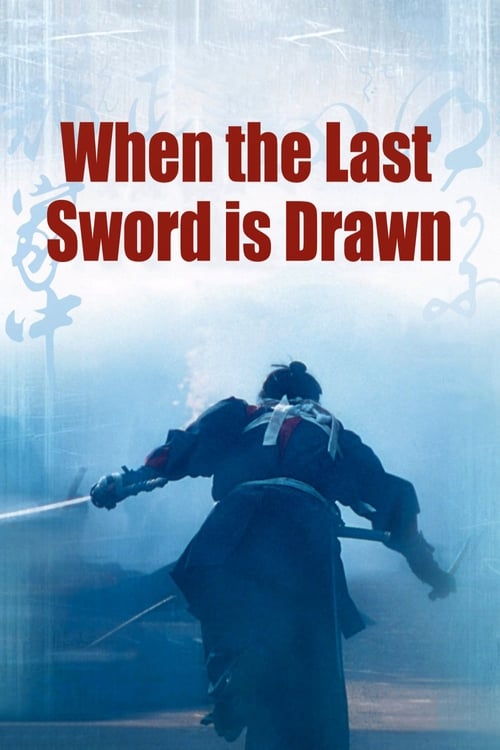
When the Last Sword Is Drawn
Plot
Kanichiro Yoshimura is a Samurai and Family man who can no longer support his wife and children on the the low pay he receives from his small town clan, he is forced by the love for his family to leave for the city in search of higher pay to support them.
Get the Weekly Woke Watchlist
New and trending movies scored for woke bias, preachy messaging, and forced political themes — before you waste your evening.
No spam. One useful email per week.
Overall Series Review
Categorical Breakdown
Characters are universally judged by personal merit, swordsmanship, and inner moral compass, not by immutable characteristics or racial/class hierarchy. The central theme champions the content of Yoshimura’s soul—his love for his family—over the social disgrace of leaving his clan. Casting is authentically Japanese for a Japanese historical period.
The film is set during the collapse of the samurai era, acknowledging the harshness of the old system (e.g., family starvation), but it ultimately elevates the traditional Japanese institutions of the family and masculine honor. The hero's motivation is to protect his home and ancestors' bloodline. There is no evidence of civilizational self-hatred or external cultures being depicted as spiritually superior.
The gender dynamic is highly traditional and complementary. The male lead’s entire arc is one of extreme sacrifice as a husband and father (the provider/protector). The wife's role is that of a devoted mother whose desperation catalyzes the hero's actions. Motherhood and the nuclear family are the central value the male character is fighting to preserve, directly opposing anti-natalist or 'Girl Boss' tropes.
The core relationships and central concern revolve entirely around the traditional nuclear family and the male-female pairing. There is no focus on alternative sexualities, sexual ideology, or deconstruction of the traditional family unit. Sexuality is not a plot point or a focus of the narrative.
The film operates within the moral framework of traditional Japanese ethics (Bushido, loyalty, and duty), but it places a higher, transcendent moral law—familial love and duty to one's children—above the man-made feudal code. The narrative contains no hostility toward religion or the promotion of moral relativism; instead, it acknowledges objective moral truth in the form of a man's duty to his loved ones.
Get the Weekly Woke Watchlist
New and trending movies scored for woke bias, preachy messaging, and forced political themes — before you waste your evening.
No spam. One useful email per week.