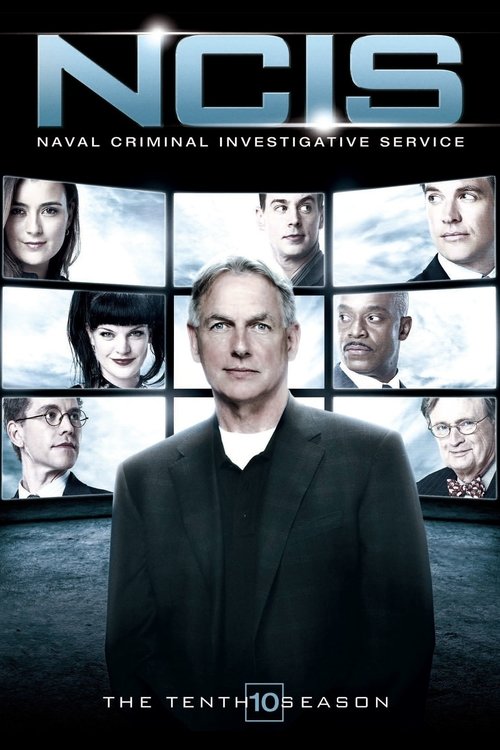
NCIS
Season 10 Analysis
Season Overview
Despite a bomb attack on Gibbs and the team, duty continues to call for these special agents as they try to regroup and put the pieces back together.
Season Review
Categorical Breakdown
Characters are judged by their professional merit and performance as federal agents. Diversity is present in the cast (Ziva is Israeli, Vance is Black) but is not treated as an intersectional talking point or a source of systemic oppression lecturing. One episode honors the Montford Point Marines, presenting Black military sacrifice as a positive reflection of American history, not as a vilification of whiteness.
The series is structurally rooted in the defense of American military and naval institutions. The narrative portrays the institutions of law enforcement and government (NCIS, Navy, FBI) as forces for good, constantly battling both foreign enemies and domestic terrorism. Temporary critiques are limited to corrupt or misguided individuals, such as the rogue investigator from the Department of Defense, rather than framing the entire civilization or its heritage as fundamentally flawed or corrupt.
Female characters Ziva David and Abby Sciuto are highly skilled and crucial to the team's success, making them competent professionals. However, Ziva's central arc is dominated by emotional, personal revenge following the murder of her father, culminating in her taking extreme action and resigning to protect Gibbs. This arc anchors the female agent in personal and familial trauma, subverting the 'Girl Boss' trope of the perfect, emotionless female lead focused only on career.
The season contains no explicit plot lines or thematic focus on alternative sexualities, queer theory, or gender ideology. The dominant relationship focus is the traditional heterosexual romantic tension between Ziva and Tony. The structure of the show defaults to the normative structure of society and the traditional nuclear family without commentary or promotion of alternative models.
Religion is referenced in titles like 'Shabbat Shalom' and 'Shiva,' referencing Jewish tradition in the context of Ziva's personal tragedy, treating it neutrally as a source of culture and personal identity. The Christmas episode features a character seeking to celebrate the traditional holiday spirit. Faith and traditional morality are not depicted as a source of evil, bigotry, or moral relativism.