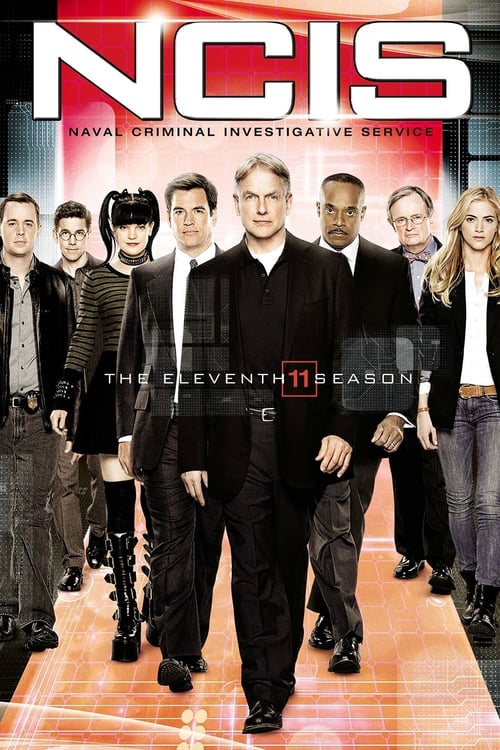
NCIS
Season 11 Analysis
Season Overview
When Season 10 ended in the series' biggest cliffhanger, the NCIS was virtually disbanded and Gibbs was aiming a rifle at the FBI agent responsible.
Season Review
Categorical Breakdown
Characters are judged primarily on their professional merit and capability within the elite federal agency. The new agent, Ellie Bishop, is introduced based on her exceptional analytical brilliance as an NSA analyst, a pure measure of merit. The primary villain is an international terrorist, not a caricature of white American society. The narrative includes a subplot where Gibbs helps Afghan women immigrate to the U.S., framing America as a place of refuge and opportunity.
The season's main plot revolves around the NCIS team defending the United States and its institutions from a foreign terrorist threat, reinforcing the importance of national security. A key emotional story involves Gibbs's father, Jackson, and a flashback to a World War II event that honors military sacrifice and the moral decency of a wartime enemy, directly demonstrating respect for American heritage and ancestors.
Female characters hold prominent and powerful roles, notably the forensic scientist Abby Sciuto, Director Leon Vance's position as a high-ranking black male is notable, and the new agent, Bishop, is highly capable. McGee’s girlfriend, Delilah Fielding, is portrayed as a sharp, ambitious professional who accepts a high-level job in Dubai even after a life-altering injury, emphasizing that her career remains her ultimate fulfillment, which slightly elevates the score. The men are consistently portrayed as competent and protective agents, avoiding the 'emasculation' trope.
The main characters' personal lives adhere to normative structures, focusing on traditional male-female relationships, such as Tony and Ziva’s bond, and McGee’s long-term relationship with Delilah. The show avoids centering alternative sexual identities, queer theory, or gender ideology, maintaining a private approach to sexuality within the established, family-like team dynamic.
As a whole, the season is religiously neutral. The focus remains on law enforcement and national security. Traditional religion is not presented as a source of corruption, evil, or bigotry. The moral framework of the series is rooted in an objective sense of justice and right versus wrong, consistent with transcendent morality, rather than a narrative embracing moral relativism.