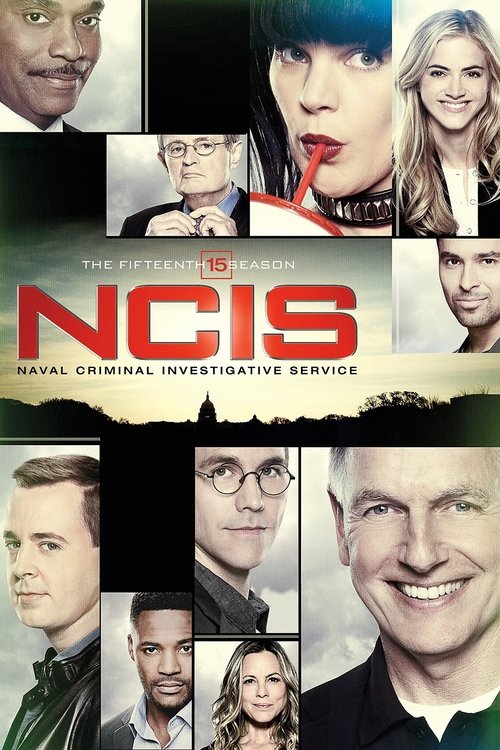
NCIS
Season 15 Analysis
Season Overview
No specific overview for this season.
Season Review
Categorical Breakdown
The team maintains a racially and ethnically diverse makeup in a way that appears 'colorblind,' with agents judged primarily on skill and loyalty to the mission. The new main cast addition, Jack Sloane, is a white female, balancing the departure of Abby Sciuto. One episode is highly sympathetic to a father from El Salvador and his 'unaccompanied minor' daughter, framing their struggle against a criminal organization, which touches on immigration issues but does not pivot to a systemic oppression critique. The villains are criminals and foreign insurgents, not domestic white institutions or white males.
The NCIS team is portrayed as a competent, essential part of the federal apparatus defending US security and values. The military and NCIS institutions are consistently viewed as necessary shields against chaos, and the plots center on protecting them. The main source of external threat and trauma (Jack Sloane’s background) stems from insurgents in Afghanistan, not from internal American corruption or a demonized Western heritage.
The team features a strong, highly competent female in a key leadership support role with the addition of Dr. Jacqueline 'Jack' Sloane, an operational psychologist and former Army Lieutenant. She is introduced as highly skilled and capable, but her character arc focuses on her trauma, not instant perfection. The male characters, particularly Gibbs and McGee, retain their competence and protective roles. McGee's arc includes his wife's pregnancy, which is a celebration of family, countering any anti-natal message. The overall gender dynamic is closer to complementarity but leans slightly toward the 'Girl Boss' trope with Sloane's significant and multifaceted capabilities.
The core relationships and character arcs adhere to a traditional male-female pairing, notably the focus on McGee and Delilah preparing for parenthood. One small plot point has the couple disagreeing over finding out the *sex* of their child, which is not an embrace of gender ideology but a discussion of pre-birth planning. There is no centering of alternative sexualities, deconstruction of the nuclear family, or lecturing on queer theory within the season's main narrative.
The cases and overall show structure rely on objective truth being revealed through scientific evidence and investigation, which does not embrace moral relativism. The show is generally secular in its setting, but there is no explicit hostility or vilification directed at traditional religion, particularly Christianity. Faith, when mentioned, is neither a focus of the plot nor a source of evil.