NCIS
Season 19 Analysis
Season Overview
No specific overview for this season.
Season Review
Categorical Breakdown
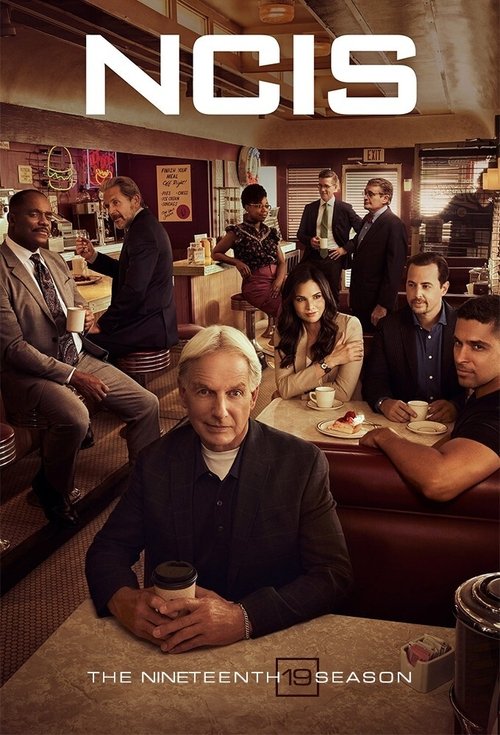
The casting introduces a new, highly diverse main team, including a half-Asian female agent (Knight) and a Black female forensic scientist (Kasie), without the diversity being a source of explicit lecture. The new lead, a white male (Parker), is portrayed as less traditionally competent/masculine than his predecessor (Gibbs), a common trope. However, the show avoids outright vilification, and characters are judged primarily on their skills as agents.
The central, multi-episode exit arc for the iconic American law enforcement figure (Gibbs) involves him going off-grid to take down a powerful, corrupt American energy corporation (Sonova) to save a pristine Alaskan ecosystem. This narrative frames a major American institution/capitalist enterprise as fundamentally corrupt and destructive, leaning into a self-critique of Western industrial society. The heroic institution remains the NCIS team itself.
Female characters are highly competent and regularly showcased as resourceful experts, such as Agent Knight (REACT) and Kasie Hines (Forensics). However, the narrative is mixed; Knight wrestles with the societal expectation of 'settling down' but ultimately enters a traditional male-female relationship with a teammate. Crucially, the long-standing male agent McGee refuses the leadership promotion to prioritize his family, running counter to the common anti-natalist/anti-family messaging.
The season contains no explicit plot lines that center around alternative sexualities, gender ideology, or the deconstruction of the nuclear family. The mention of a 'gender-reveal party' in one episode synopsis is a slight cultural nod, but it serves mainly as the location for a murder case, keeping the focus on the crime rather than sexual or gender theory.
The series maintains its long-standing secular approach to crime-solving. Morality is generally framed as a pursuit of objective truth and justice for the victims. There are no plots dedicated to criticizing religion, and Christian characters are neither vilified nor centered for their faith.