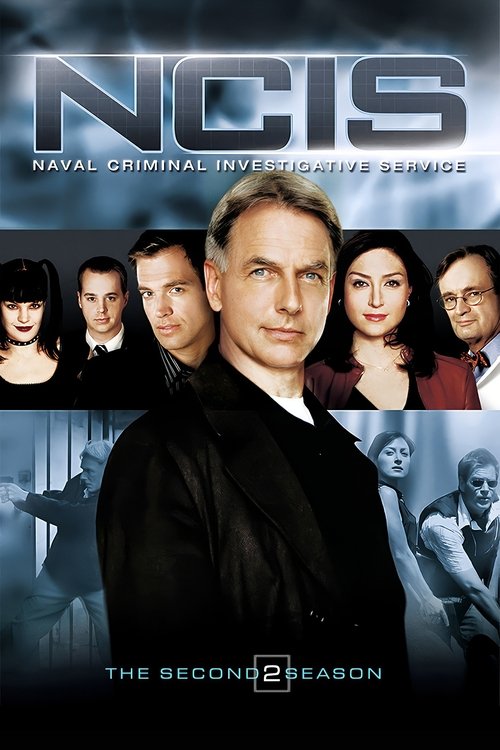
NCIS
Season 2 Analysis
Season Overview
No specific overview for this season.
Season Review
Categorical Breakdown
The core cast is mostly white, which in a modern context is often framed as a deficit, but in this pre-2010s procedural, it reflects a colorblind casting approach rather than a focus on 'forced insertion of diversity.' Characters are judged entirely on their competence as federal agents and scientists. There is no vilification of 'whiteness' or narrative focus on systemic oppression or privilege.
The show is fundamentally dedicated to the Naval Criminal Investigative Service, a U.S. institution. The plot frequently deals with threats to national security and domestic crime involving military personnel, reinforcing the institutional structure and authority. An episode featuring the team protecting a decorated WWII Medal of Honor veteran, in particular, demonstrates respect for ancestors and military service. The narrative does not frame American culture as fundamentally corrupt or racist.
The team includes two highly professional and competent women: Special Agent Caitlin 'Kate' Todd and forensic specialist Abby Sciuto. However, Special Agent Anthony DiNozzo's character dynamic frequently involves overt, persistent, and unpunished sexist remarks and objectification of women, including his colleague Kate Todd. This dynamic, which normalizes the emasculating 'player' archetype and treats female sexuality as a source of humor, prevents the score from being a perfect 1.
The season adheres to a normative structure where male-female pairing and the nuclear family are the established social standard. Sexual orientation or gender identity is not a recurring theme, nor is it centered as a major narrative focus. The series contains no political lecturing about gender theory or an attempt to deconstruct the nuclear family.
The show operates from a clear position of objective morality: murder and crime are wrong, and law enforcement is a force for good. There is no discernible hostility toward religion, and faith is not a plot-driving subject. The series adheres to a concept of higher moral law via the unwavering pursuit of justice for victims.