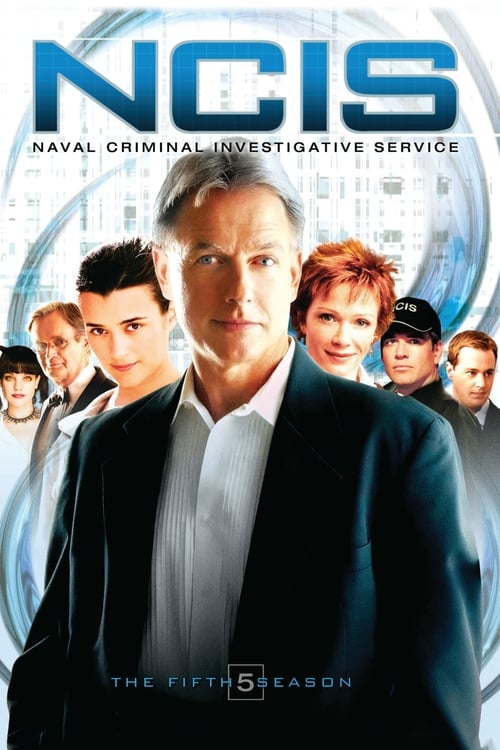
NCIS
Season 5 Analysis
Season Overview
No specific overview for this season.
Season Review
Categorical Breakdown
The narrative's focus remains on professional meritocracy, where agents are judged by their investigative skills and adherence to Gibbs's moral code. The introduction of Leon Vance, a Black character, as the new Assistant Director and later Director, is framed as an organizational power play to reorganize the agency, not as a lecture on systemic oppression or forced diversity. An episode dealing with a Muslim Marine explores cultural difference but centers on a counter-terrorism investigation, not the vilification of white America.
The series is fundamentally pro-institution, revolving around a federal law enforcement agency (NCIS) that protects the U.S. Navy and Marine Corps. The primary villains are arms dealers, terrorists, and foreign death squads (as seen in the episode 'Designated Target'), framing foreign entities and criminals as the threat, not Western civilization or American heritage itself.
Female characters hold powerful positions, such as Director Jenny Shepard and Mossad Officer Ziva David. However, they are flawed and complex; Shepard's arc ends tragically due to her past secrets, and Ziva's Mossad training gives her exceptional skill but also makes her morally ambiguous in the eyes of her American colleagues. The central male figures, Gibbs and DiNozzo, are highly capable and are not emasculated or presented as bumbling idiots.
The season maintains a normative structure. Plot lines revolve around traditional male-female pairing, such as DiNozzo’s heartbreak over Jeanne Benoit, and the nuclear family unit is a central theme in crime-of-the-week stories involving missing children or family-related murders. There is no presence of queer theory, gender ideology, or centering of alternative sexualities.
The procedural format centers on objective truth found through forensics and evidence, but faith is not actively attacked. The episode 'Tribes' explores a case involving a Muslim Marine and shows the medical examiner, Ducky, respecting the religious beliefs of the victim's family, allowing culture and faith to inform the process rather than demonizing them.