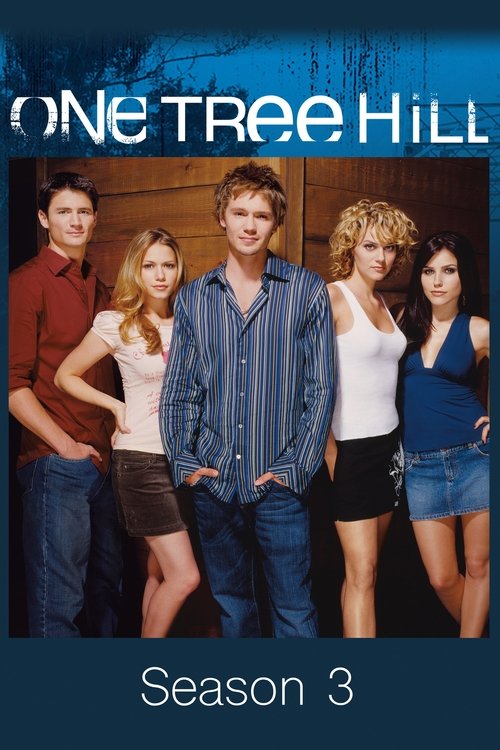
One Tree Hill
Season 3 Analysis
Season Overview
Summer is coming to an end senior year is right around the corner. Lucas reunites with Brooke after a summer apart. Nathan comes home from basketball camp to find that Haley has decided to return to save their marriage. Meanwhile, Peyton tries to find the truth about Ellie Harp and Dan Scott is on a mission to figure out who set the the dealership on fire.
Season Review
Categorical Breakdown
The show operates as a universal meritocracy where characters are judged solely by their actions and integrity. Diversity is handled naturally without any focus on intersectional power dynamics or racial lecturing.
The narrative celebrates small-town American life and the communal importance of high school basketball. Local institutions and the sacrifices of older generations are respected rather than framed as corrupt.
While female characters are strong and independent, they are not portrayed as flawless 'girl bosses.' They struggle with real emotions and value traditional bonds like marriage and family. Masculinity is presented as protective and essential through characters like Keith, Nathan, and Lucas.
The season adheres to traditional relationship structures and does not feature gender ideology or the centering of alternative sexualities. The focus remains on biological reality and standard nuclear family dynamics.
Faith and the church are treated with quiet respect, appearing as sources of comfort during weddings and funerals. The show upholds objective moral truths and the concept of sin and redemption rather than moral relativism.