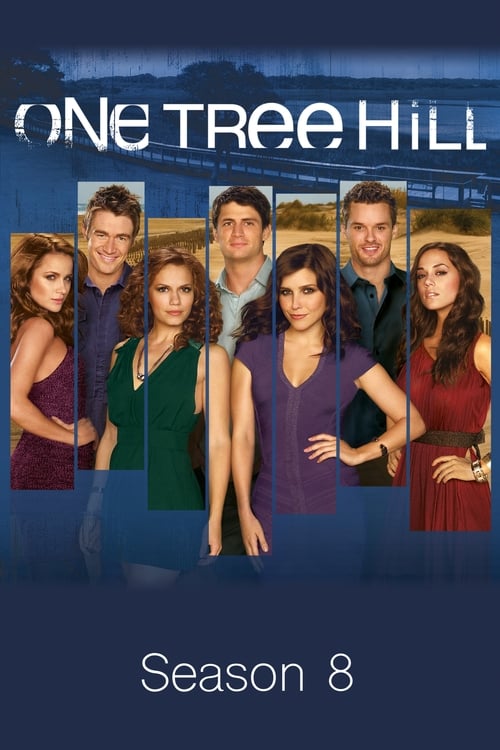
One Tree Hill
Season 8 Analysis
Season Overview
Brooke Davis happier than ever. Recently engaged to Julian, her wedding will be the captivating affair one might expect from a young, beautiful, successful fashion designer. As Nathan Scott prepares for his second season in the NBA, the Scott family is expecting their second child and Haley feels as though the baby will be a girl. How will she balance her pregnancy while raising Jamie and pursuing her music career? Also, Quinn and Clay's lives hang in the balance, the victims of a brutal attack which affects all of their friends and family.
Season Review
Categorical Breakdown
Characters are judged solely on their merit and the quality of their relationships. There is no focus on intersectional power dynamics or identity-based grievances.
The show treats the hometown of Tree Hill with immense reverence. It promotes a sense of gratitude for one's roots and the importance of preserving community institutions.
The story arc for the female leads centers on the joys of motherhood and marriage. Men are portrayed as competent, protective, and essential partners in the family unit.
The season is built entirely around traditional heterosexual pairings and the nuclear family. It maintains a normative structure without introducing gender theory or deconstructive themes.
A sense of objective morality and transcendent hope guides the characters through tragedy. The show remains respectful of faith and avoids disparaging traditional religious values.