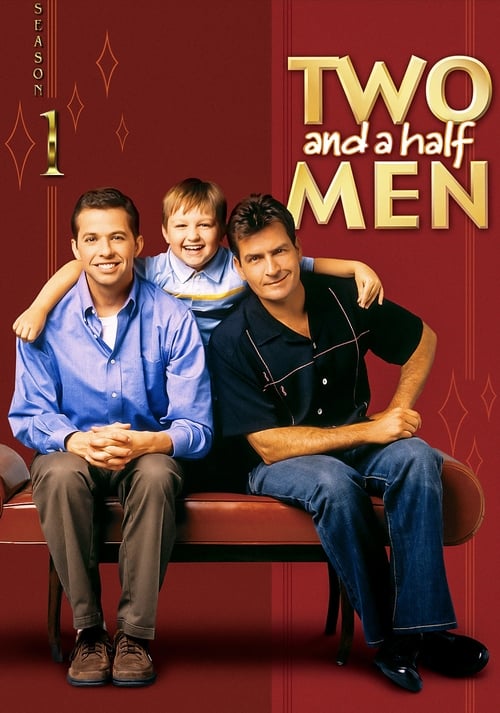
Two and a Half Men
Season 1 Analysis
Season Overview
Bachelor Charlie Harper’s carefree life is turned upside down when his uptight brother Alan and nephew Jake move in, sparking chaos and comedy in Malibu.
Season Review
Categorical Breakdown
The narrative centers on the interpersonal dynamics of a white, upper-middle-class family. Comedy is derived from personality flaws and relationship struggles, not from any commentary on race, intersectionality, or systemic privilege. The casting is overwhelmingly white, and there is no attempt at forced diversity or vilification of white males based on their immutable characteristics.
The show critiques the Harper family structure, framing the mother and ex-wife as the source of the main characters' damage and chaos. However, this dysfunction is framed personally and domestically, not as a systemic indictment of Western civilization or American heritage. The central character's hedonistic, wealthy Malibu lifestyle is generally celebrated as a form of the American dream, not demonized.
Female characters are uniformly depicted as negative figures: sex objects, the 'evil mother,' or the 'ex-wife from hell.' The narrative celebrates Charlie, who objectifies women, while the sensitive, family-oriented male (Alan) is consistently emasculated and humiliated. This actively promotes the opposite of the 'Girl Boss' trope, affirming traditional, often negative, gender stereotypes.
Alternative sexualities are not centered or celebrated as an identity. Jokes about non-normative sexuality or gender identity (e.g., speculation about a character's sexuality or later-season trans-jokes) are solely used for quick, shock-based punchlines and misdirection. The primary focus remains on traditional male-female pairings and the hedonistic pursuit of casual heterosexuality.
The core morality of the series is entirely subjective and secular, focusing on hedonism, alcoholism, and crass sexual pursuits. This establishes a clear spiritual vacuum. However, the show avoids outright hostility toward religion, as no plot point requires a traditional religious character to be a villain or bigot. Faith is simply irrelevant to the characters' lives.