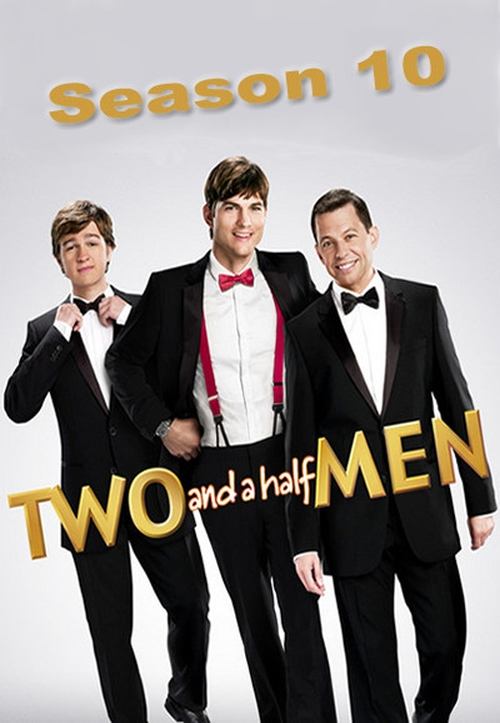
Two and a Half Men
Season 10 Analysis
Season Overview
Walden and Alan navigate friendship, fatherhood, and fleeting fame while trying (and failing) to get their personal lives together.
Season Review
Categorical Breakdown
The narrative does not rely on race, immutable characteristics, or intersectional hierarchy. Conflicts stem from personal flaws, financial disparity, and sexual neuroses. Characters are judged by personal competence or wealth, not by group identity, which keeps the score low.
The season earns a high score by consistently framing core Western institutions—specifically marriage and the traditional family—as sources of chaos, control, and pain. The matriarch (Evelyn) is cold, ex-wives are manipulative, and one plot features a nightmarish vision of an ex-wife symbolically castrating the male lead, reinforcing the idea that commitment is a trap.
Male characters Alan and Walden are routinely depicted as emasculated, bumbling, or incapable of functional adult relationships. Women characters are frequently portrayed as manipulative, hyper-sexualized, or controlling, fulfilling the trope of men being inferior or incompetent to their female counterparts.
The primary 'queer' lens is the recurrent joke that Alan and Walden are living an 'ersatz homosexual lifestyle,' playing on the subversion of the traditional nuclear family for comedic effect. The humor is based on parodying normative structure rather than centering sexual ideology or lecturing on gender theory.
The show operates in a near-total moral vacuum where pleasure and opportunism are the only guiding principles. Alan, the character who clings to a veneer of traditional values and attempts to do the 'right' thing, is consistently ridiculed and punished, confirming the subjective nature of morality in the show's universe. This aligns with the highest rating for moral relativism.