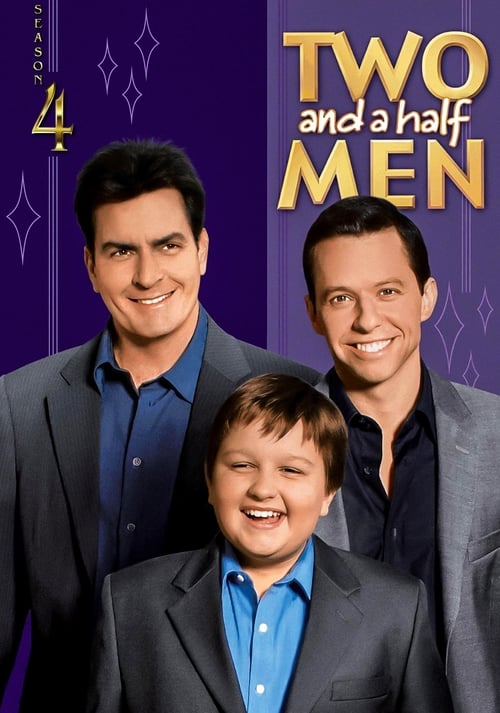
Two and a Half Men
Season 4 Analysis
Season Overview
Change is in the air as Charlie’s bachelor lifestyle meets new romantic twists, while Alan deals with ex‑wife drama and Jake continues to steal every scene.
Season Review
Categorical Breakdown
The narrative focuses on the personal and sexual dysfunctions of a wealthy, white, heteronormative family. The very few non-white or international characters, such as the handsome handyman Fernando (Enrique Iglesias), function only as immediate romantic rivals based on conventional attractiveness, not as part of a lecture on systemic oppression or white male inadequacy through an intersectional lens.
The central location of the Malibu beach house is portrayed as a symbol of celebrated bachelor hedonism and American affluence. The conflict is entirely internal and personal to the family's sexual and emotional immaturity, with no narrative thread expressing hostility toward Western civilization, one's home, or ancestors. Alan's more traditional life is simply ridiculed as unsuccessful.
The core female characters—Evelyn and Judith—are stereotyped as a cold, narcissistic mother and a controlling, vindictive ex-wife. The show is widely criticized for portraying women as mere sexual objects for Charlie, which is antithetical to the 'Girl Boss' trope. While Alan is deeply emasculated, Charlie's hyper-masculinity is celebrated, and the narrative's comedy hinges on portraying marriage and family as a miserable 'prison,' resulting in a low score but not a perfect one due to the anti-family messaging.
One episode explores Alan and Charlie questioning their sexuality after Alan befriends an attractive gay man, Greg. The plot uses gay stereotypes (musical theater, interior decorating) for shock and humor, and earlier seasons contained jokes based on transvestites or hermaphrodites. The narrative ultimately reaffirms the men's heterosexuality and uses alternative sexualities for comedic misunderstanding rather than centering them or promoting queer theory, keeping the score low on the woke scale.
The entire moral framework of the show is one of moral relativism and a spiritual vacuum, driven by pure pleasure-seeking and ego. Charlie's hedonism and lack of personal consequences are the central comedic engine. The show's environment is overtly sexual and raunchy, which directly opposes any notion of transcendent morality or higher moral law. The morality is completely subjective and transactional.