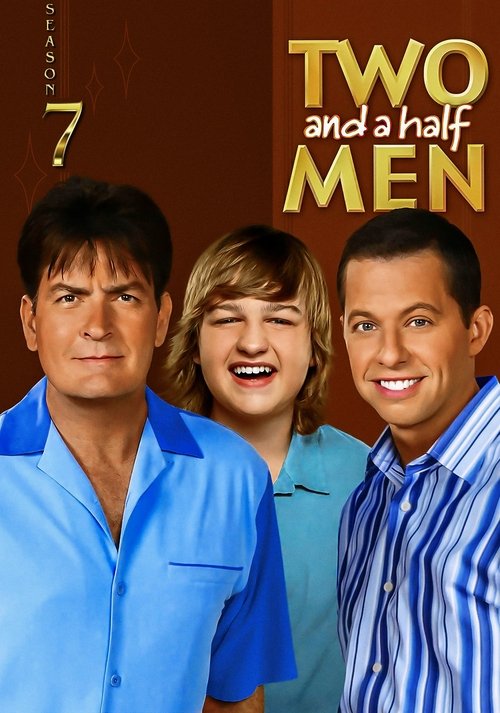
Two and a Half Men
Season 7 Analysis
Season Overview
Charlie’s romantic past catches up to him, Alan’s financial woes deepen, and Jake’s teenage years bring a new level of mischief and mayhem.
Season Review
Categorical Breakdown
A key episode features Chelsea’s mother explicitly labeled as an 'extremist and racist homophobe' whose marriage is revealed to be a sham because her husband is a closeted homosexual in love with an African-American man. This narrative directly vilifies a conservative white female character and elevates a mixed-race, non-traditional relationship.
The show's central premise is the deconstruction and chaotic dysfunction of the American family unit, where institutions like marriage and family are portrayed as traps or sources of misery. However, this contempt is for the immediate Harper-family's specific dysfunction, not for Western civilization, history, or heritage in a broader sense.
The female characters are consistently portrayed as dysfunctional, self-centered, gold-digging, or bad mothers (Evelyn, Judith, Lyndsey). This is an openly misogynistic dynamic where men are also flawed pigs; it does not feature the 'Girl Boss' or 'Mary Sue' tropes and instead relies on hyper-sexualized, caricatured gender conflict.
The plot contains a notable episode where a sympathetic, multi-decade-long closeted homosexual relationship is revealed and valorized as the 'authentic' path for the character, leading to the dissolution of his heterosexual marriage. This storyline actively deconstructs the nuclear family and normalizes alternative sexuality within the narrative, placing it at the middle of the scale.
The characters operate in a world of extreme moral relativism, hedonism, and spiritual vacuum, but this is conveyed purely through the characters' chosen lifestyles of sex and alcohol. The season does not feature any overt or explicit vilification of traditional religion or Christian characters, earning a low score for anti-theistic messaging by omission.