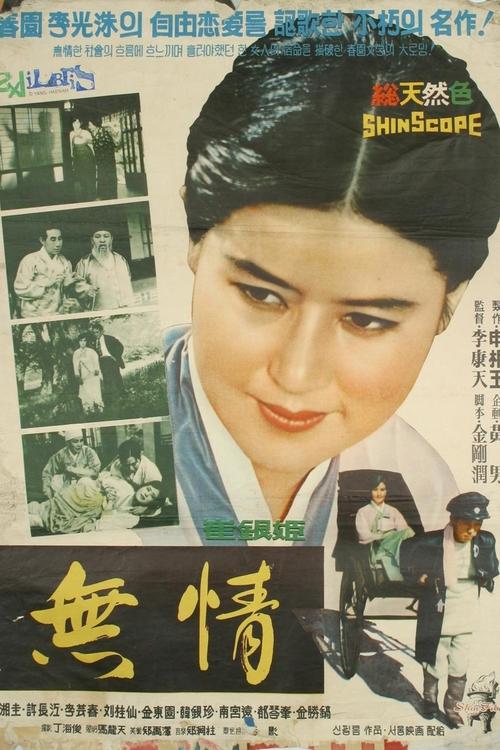
Heartlessness
Plot
Get the Weekly Woke Watchlist
New and trending movies scored for woke bias, preachy messaging, and forced political themes — before you waste your evening.
No spam. One useful email per week.
Overall Series Review
Categorical Breakdown
The 1962 production date places the film well before the rise of modern intersectional theory, meaning the narrative judges characters by their deeds and moral character rather than immutable characteristics or systemic oppression. Casting is based on merit or historical context, not forced political diversity.
The narrative focuses on personal moral shortcomings, not an ideological attack on Western civilization. The core institutions and culture of the home country are viewed as the backdrop for individual drama, not as fundamentally corrupt or racist systems requiring self-hatred.
The movie's era predates the 'Girl Boss' trope and anti-natalist messaging. Female characters operate within the distinct, complementary gender roles of the early 1960s, and there is no messaging that frames motherhood as a 'prison' or masculinity as toxic.
The theme of 'heartlessness' is a moral one, not a sexual or gender one. The focus on sexual identity, deconstructing the nuclear family, or gender ideology is entirely absent, adhering to a normative structure where sexuality is private.
The film's exploration of 'heartlessness' serves as a commentary on the spiritual vacuum that results from a rejection of objective morality, thereby affirming a transcendent moral law rather than embracing moral relativism or vilifying traditional religion.
Get the Weekly Woke Watchlist
New and trending movies scored for woke bias, preachy messaging, and forced political themes — before you waste your evening.
No spam. One useful email per week.