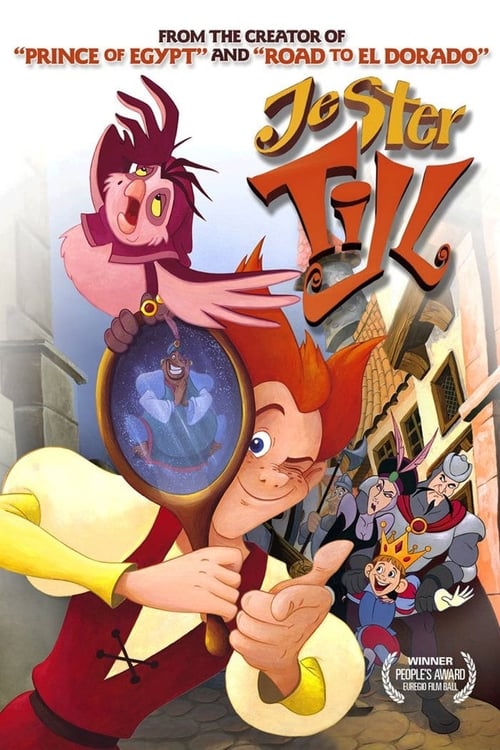
Jester Till
Plot
One of Europe's most beloved folk tale hero, Jester Till is the ultimate prankster embodying the simple wisdom and earthy humor of medieval European peasant folk. In this adventure tale, Till is on his way to the city to visit his grandfather, the slightly absent-minded wizard Marcus. The old man are brewing up a magical happiness potion he feels the townsfolk need. The potion however is tampered with and Marcus vanishes in a horrendous explosion. Till embarks on an adventurous quest to find him.
Get the Weekly Woke Watchlist
New and trending movies scored for woke bias, preachy messaging, and forced political themes — before you waste your evening.
No spam. One useful email per week.
Overall Series Review
Categorical Breakdown
The movie is based on a foundational German folk hero of medieval Europe, and the casting is historically authentic to its source material. The hero, Till, succeeds purely on the merit of his simple wisdom and wit, not on immutable characteristics. The narrative is centered on a universal theme of exposing human folly rather than lecturing on systemic oppression or privilege.
The film explicitly celebrates one of Europe’s most beloved folk tale heroes and his earthy peasant humor, which is an expression of gratitude toward and respect for ancestral culture. The setting and hero embody European folk wisdom. Institutions and the city itself are treated as the location for the adventure and the place where wisdom is needed, not as fundamentally corrupt or racist entities.
The core plot is driven by a male hero and his quest for his male grandfather. While a female character, Nele, is present as a friend, the narrative does not center on her as a 'Girl Boss' figure or rely on the emasculation of the main male hero. Till’s masculinity, defined by his cleverness and protective nature toward his grandfather, is the driving force. The film maintains traditional, complementary gender roles typical of the source material without resorting to anti-natal or anti-family messaging.
The narrative makes no mention of sexual ideology, alternative sexualities, or gender theory. The focus is entirely on a magical quest adventure and traditional folk-tale dynamics. The film presents a normative structure simply by adhering to the traditional composition of a classic European folk tale from the time period it was produced.
The movie operates within a magical fantasy framework involving a wizard and a happiness potion, sidestepping explicit religious commentary. The moral framework is based on objective standards of wisdom and foolishness, which aligns with transcendent morality, rather than subjective power dynamics. The character Till Eulenspiegel traditionally satirizes hypocrisy, which may include the religious, but this does not equate to outright anti-theism or painting traditional religion as the root of evil.
Get the Weekly Woke Watchlist
New and trending movies scored for woke bias, preachy messaging, and forced political themes — before you waste your evening.
No spam. One useful email per week.