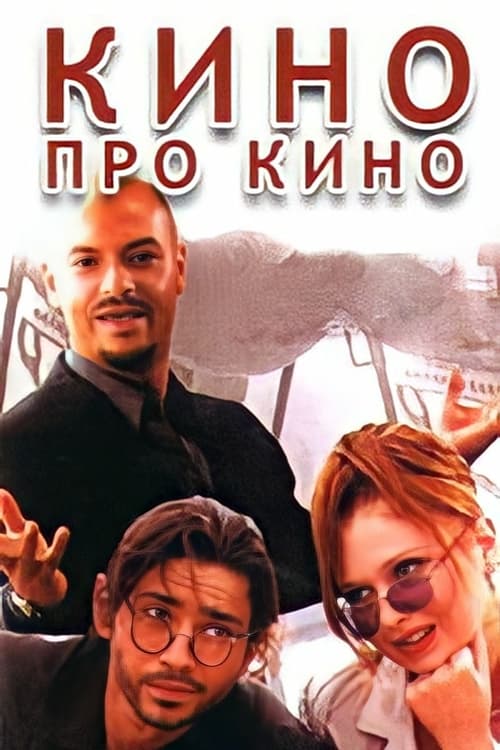
Cinema About Cinema
Plot
The young director tries to make a movie, following the script of the venerable playwright as much as possible.
Get the Weekly Woke Watchlist
New and trending movies scored for woke bias, preachy messaging, and forced political themes — before you waste your evening.
No spam. One useful email per week.
Overall Series Review
Categorical Breakdown
The narrative is purely concerned with the professional and artistic relationship between a director and a playwright; the characters' merit in the field of cinema is the sole focus. Race, immutable characteristics, and intersectional power dynamics are absent from the central conflict. There is no vilification of any demographic group or forced insertion of diversity, as the casting and characters reflect the film's specific cultural setting.
The central conflict revolves around respect for the original work of a 'venerable playwright,' which is an inherent affirmation of artistic tradition and heritage. The film is a meta-commentary on the Russian art of filmmaking itself, not a denunciation of the home culture or civilizational norms. It treats the foundational elements of its national artistic institutions with respect, framing the drama as an internal debate over their proper continuation.
The conflict is between a male director and a male playwright, concerning the execution of an art project. While actresses are part of the cast, the overall gender dynamic remains traditional and subordinate to the artistic theme. There are no elements of a 'Girl Boss' trope, nor is there any overt emasculation of male characters, as they are portrayed as flawed but capable artists. The film offers no anti-family or anti-natal messaging.
The narrative has no detectable element of centering alternative sexualities, queer theory, or deconstructing the nuclear family. The focus on the professional drama between the director and playwright leaves no room for sexual ideology to be a central or even peripheral theme. The film reflects a normative structure without any lecturing.
The film's themes are concentrated on the world of cinema, creativity, and the preservation of artistic vision. There is no hostility or critique directed at traditional religion, Christianity, or any other faith. The narrative operates on a secular plane, but it acknowledges an objective 'Truth' or 'higher moral law' in the form of adherence to the venerable playwright's original vision and artistic standards, indicating a transcendent, if aesthetic, morality.
Get the Weekly Woke Watchlist
New and trending movies scored for woke bias, preachy messaging, and forced political themes — before you waste your evening.
No spam. One useful email per week.