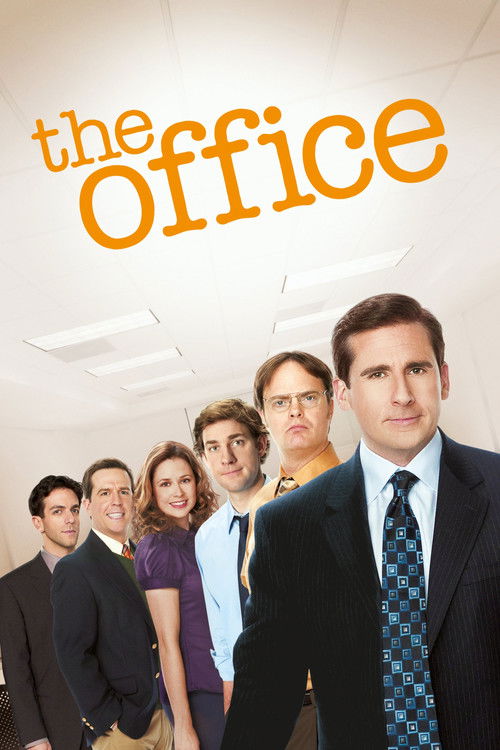
The Office
Season 5 Analysis
Season Overview
Michael Scott and his fellow Dunder Mifflin-ites steal customers, frame co-workers, and indulge in intra-office love affairs.
Season Review
Categorical Breakdown
Characters are judged by their merit, or lack thereof, rather than immutable characteristics. The few non-white characters are not tokens; Darryl, Oscar, and Kelly have established personalities and roles separate from their race. However, the score is slightly elevated from a 1 because Michael Scott frequently displays explicit, though clueless, racial and identity-based insensitivity (like in 'Diversity Day'), which is used for punchlines and to frame *him* as a character to be mocked, not to lecture the audience on privilege.
The show is a low-level satire of the dull, banal reality of American corporate life, but it does not demonize Western civilization, one’s home, or ancestors. The setting, Scranton, is depicted as dreary and unexciting, but this is not framed as a symptom of a fundamentally corrupt culture. The ultimate goal for the main characters is normative, domestic happiness: marriage, family, and a stable life, which reflects gratitude toward institutions, not hostility.
The score is low because the narrative frequently undercuts female career ambition. The 'Girl Boss' trope is absent; characters like Jan are shown to be highly unstable, and Pam's attempt at art school ends in her dropping out and returning to the office, thus rewarding stability over career fulfillment. While male characters are often bumbling and emasculated (Michael, Andy), the core relationships of Jim/Pam are complementary, and her pregnancy is portrayed as a positive development, not a 'prison.'
The narrative structure is overwhelmingly heteronormative, centering on traditional male-female pairings, including an engagement and pregnancy. Oscar Martinez is an openly gay character, but his sexual identity is a known, settled fact within the office and does not drive the main plot. There is no centering of sexual ideology, deconstruction of the nuclear family, or lecturing on gender theory present in the season's major storylines.
Religion is not a central theme. The one character with overt religious fervor, Angela Martin, is portrayed as judgmental and hypocritical (due to her cheating), which is a light satire of flawed religious adherence, not an attack on the concept of faith itself. The show's morality is based on workplace and social convention rather than objective truth, but it avoids any explicit 10/10 vilification of traditional religion.