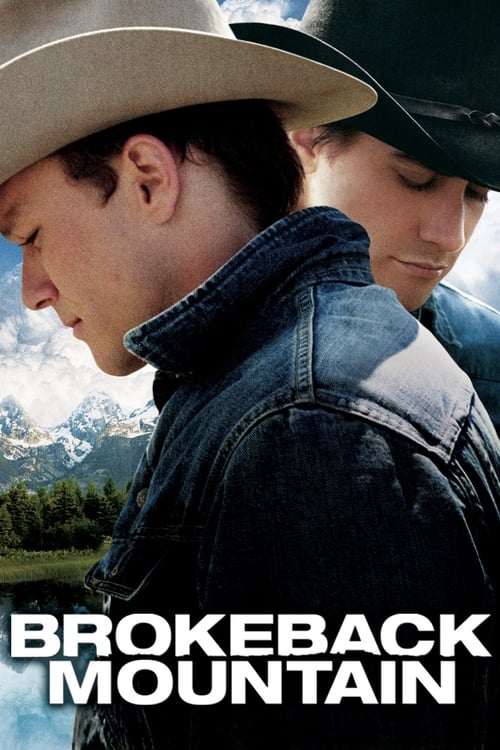
Brokeback Mountain
Plot
In 1960s Wyoming, two men develop a strong emotional and sexual relationship that endures as a lifelong connection complicating their lives as they get married and start families of their own.
Get the Weekly Woke Watchlist
New and trending movies scored for woke bias, preachy messaging, and forced political themes — before you waste your evening.
No spam. One useful email per week.
Overall Series Review
Categorical Breakdown
The story centers on a white, male-dominated world, and the primary conflict stems from sexual identity and cultural repression, not racial issues or intersectional victim hierarchy based on immutable characteristics like race. The narrative does not feature the vilification of "whiteness" or forced diversity.
The traditional, hypermasculine culture of the American West is presented as the primary source of the tragedy and death. Local cultural norms are shown to be violently homophobic, repressive, and fundamentally destructive to the happiness and well-being of its own people. This rigidly defined culture is what forces the two men to live a lie, framing their ancestral and home culture as intrinsically corrupt.
The heterosexual nuclear family structure is deconstructed by its portrayal as an oppressive and inauthentic cage for the main male characters. The wives, Alma and Lureen, are shown sympathetically as collateral damage, experiencing pain and wasted lives due to their husbands' repression, which suggests marriage and traditional roles are inherently flawed. The female characters are not perfect "Girl Bosses" but the institution of marriage and family is framed as a destructive failure.
The entire plot and emotional core revolve around same-sex male love and the impossibility of its existence within the "normative structure." The characters' alternative sexual identity is the most important trait that defines their lives and subsequent tragedy. The narrative actively challenges and deconstructs the nuclear family, presenting it as a source of oppression and emotional devastation for all involved, aligning with the queer theory lens.
The conservative, traditional moral code of the Wyoming and Texas settings, which is strongly implied to be rooted in traditional religion, is the ultimate force of intolerance and violence that destroys the main relationship. The moral order of the society is depicted as a fatalistic, high-level moral law based on bigotry, which aligns with the framing of traditional belief systems as a root of evil.
Get the Weekly Woke Watchlist
New and trending movies scored for woke bias, preachy messaging, and forced political themes — before you waste your evening.
No spam. One useful email per week.