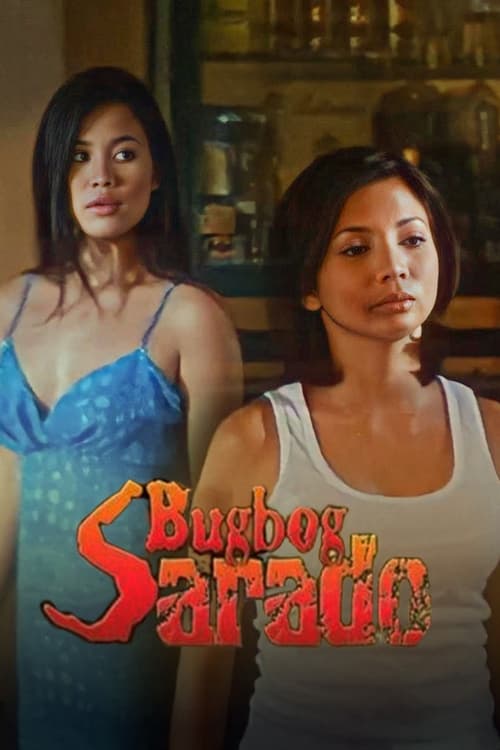
Bugbog Sarado
Plot
The story opens with Brandon and Shy, negotiating for a lease of an old room owned by Stella. Brix, a travelling salesman and Stella's live-in partner deals with the couple in behalf of the landlady. Little do they know that inside the mysterious house lies a perplexed truth. Bugbog Sarado" shapes up the frames of sadism and masochism. It intensified the sounds of pain and protest in discovering the real encounters inside the bedroom of abused women.
Get the Weekly Woke Watchlist
New and trending movies scored for woke bias, preachy messaging, and forced political themes — before you waste your evening.
No spam. One useful email per week.
Overall Series Review
Categorical Breakdown
The story takes place in the Philippines with an all-Filipino cast, focusing the drama on universal human depravity and abuse. Character merit and action, not racial or ethnic identity, drive the conflict. There is no evidence of vilification of 'whiteness' or intersectional lecturing; characters are judged by the content of their soul.
The plot uncovers a 'perplexed truth' and terror within a specific home, framing the domestic space as a source of concealed horror. This dark element is localized to individual pathology and crime, not a critique that frames Filipino culture or the nation as fundamentally corrupt or evil. The institutions of family and home are corrupted by specific individuals, not demonized broadly.
The core of the narrative intensifies the "sounds of pain and protest in discovering the real encounters inside the bedroom of abused women." The plot explicitly centers female suffering and a reaction against it. The main male character, Brix, is implicated in sadism and masochism with women, placing men squarely in the role of abuser or 'toxic' figure. The female experience of being abused is the primary narrative focus.
The story does not include queer theory or gender ideology. The core relationships are heterosexual (Stella and Brix, Brandon and Shy). Sexuality is explored only through the lens of sadism and masochism within these traditional male-female pairings. The structure remains normative, and sexuality is treated as a private matter without political lecturing.
The film operates as a crime/thriller focusing on psychological and physical abuse. The conflict is grounded in human behavior and pathology. There is no indication of hostility toward religion, specific anti-Christian messaging, or a focus on moral relativism. The narrative deals with objective evil through the act of abuse.
Get the Weekly Woke Watchlist
New and trending movies scored for woke bias, preachy messaging, and forced political themes — before you waste your evening.
No spam. One useful email per week.