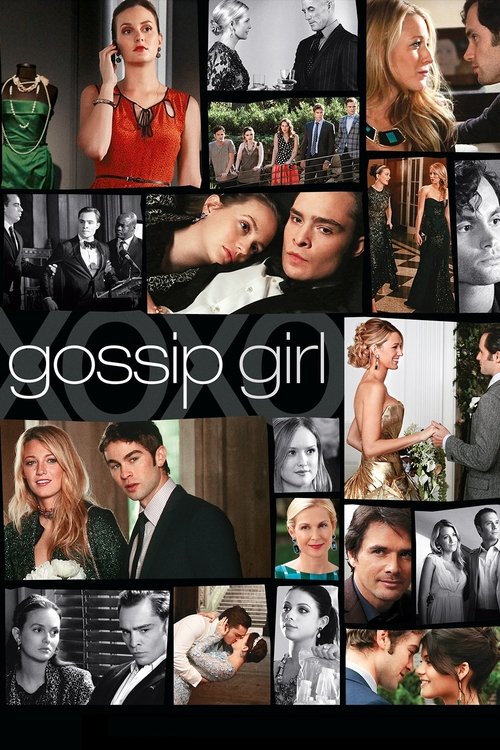
Gossip Girl
Season 6 Analysis
Season Overview
Serena has gone off the grid, beyond even the reach of Gossip Girl. Her friends fear for the worst and hope for the best, but even they can't imagine where they will ultimately find her. Meanwhile, Blair has offered Chuck her heart, but is her love enough to help him win back his empire? Lonely Boy Dan has written a new book that promises to make even more trouble than the first, and this time he has no desire to remain anonymous. Nate is determined to finally reveal the true identity of Gossip Girl, thereby making a name for The Spectator, and himself. Lily and Rufus turn on one another when Rufus makes a surprising new ally who threatens Lily and her family. Anywhere else it would be too much drama to handle, but this is the Upper East Side.
Season Review
Categorical Breakdown
The cast is predominantly white and wealthy, with character status defined by social class and personal manipulation rather than racial or intersectional identity.
The narrative glamorizes high-society New York and the preservation of established family institutions, wealth, and cultural prestige.
Female leads prioritize romantic unions and traditional marriage as their primary sources of fulfillment alongside their career goals. Men occupy central roles of power.
The season centers almost exclusively on heterosexual relationships and lacks the inclusion of queer theory or alternative lifestyle messaging in its conclusion.
Religion is treated as a non-factor in the lives of the characters rather than an object of active hostility, mockery, or ideological deconstruction.