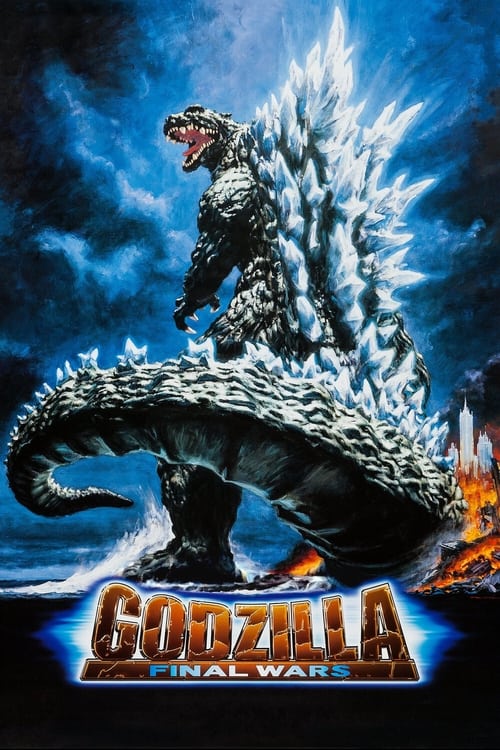
Godzilla: Final Wars
Plot
Humanity finally rids themselves of Godzilla, imprisoning him in an icy tomb in the South Pole. All is peaceful until various monsters emerge to lay waste to Earth's cities. Overwhelmed, humanity is seemingly saved by a race of benevolent aliens known as Xiliens. But not all is what it seems with these bizarre visitors. If humanity wishes to survive, they must reluctantly resurrect their most hated enemy, Godzilla.
Get the Weekly Woke Watchlist
New and trending movies scored for woke bias, preachy messaging, and forced political themes — before you waste your evening.
No spam. One useful email per week.
Overall Series Review
Categorical Breakdown
The main cast is primarily Japanese, which is authentic to the production's origin. The protagonist is judged by his special mutant abilities and skill, adhering to a universal meritocracy where capability drives rank. The Gotengo crew, though mostly East Asian, is commanded by a gruff, competent American Captain, Douglas Gordon, a Westerner who is depicted as heroic and effective, not evil or incompetent. There is no evidence of an intersectional hierarchy or vilification of any immutable characteristic.
Godzilla's hatred for mankind stems from humanity's destruction of the planet, which introduces a common environmentalist critique that frames civilization's actions as corrupting the natural order. However, the film's climax centers on the desperate, heroic defense of Earth and its people against the alien invaders, ultimately showing humanity's worth when a child helps Godzilla forgive and cease his destructive path. Institutions like the Earth Defense Force (EDF) and the Gotengo crew are portrayed as the necessary shield against chaos, not as fundamentally corrupt.
The main female character, Dr. Miyuki Otanashi, is a brilliant scientist, a role earned through merit and intelligence. She is a competent partner to the male protagonist. Powerful female figures like Mothra and her psychic twin priestesses are sources of spiritual guidance and strength for the human forces. The dynamic is one of competence and complementary roles, without any instances of male emasculation, 'Mary Sue' perfection, or anti-natalist messaging.
The narrative makes no reference to non-normative sexual identity, gender ideology, or deconstruction of the nuclear family. The focus is exclusively on the alien invasion and monster combat. Sexuality is not a theme or a defining characteristic for any of the human or monster characters.
Traditional spiritual or mythological elements, specifically the twin priestesses and their reverence for the monster Mothra, are presented as genuine sources of moral clarity and aid to humanity. The movie's moral structure is black and white, opposing an objective alien evil with the Earth's forces of good. There is a clear acknowledgment of good and evil and no vilification of religion.
Get the Weekly Woke Watchlist
New and trending movies scored for woke bias, preachy messaging, and forced political themes — before you waste your evening.
No spam. One useful email per week.