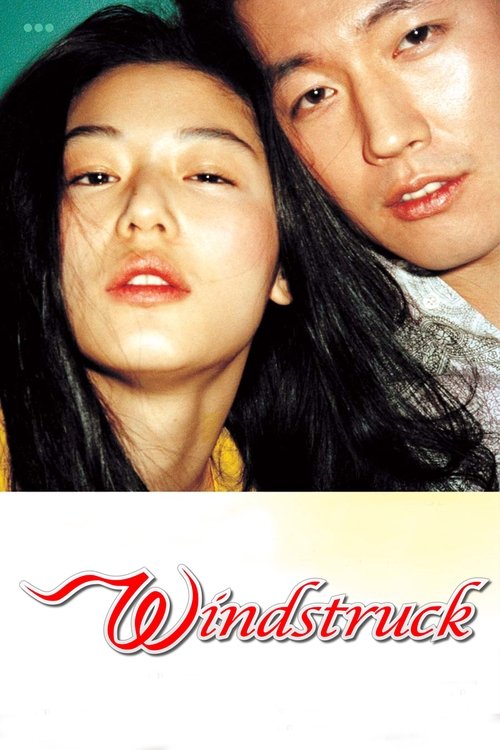
Windstruck
Plot
Kyung-jin, a police officer who finds herself chasing down a suspected bag-snatcher on her day off. However, the man she catches turns out to be Myungwoo, a passer-by who was himself trying to apprehend the real criminal.
Get the Weekly Woke Watchlist
New and trending movies scored for woke bias, preachy messaging, and forced political themes — before you waste your evening.
No spam. One useful email per week.
Overall Series Review
Categorical Breakdown
The movie is a South Korean production with an all-Korean cast and setting. The central drama revolves around a personal, romantic relationship, not a political one. Characters are judged by their personal merit, courage, and love for each other. There is no focus on race, class, or intersectional hierarchy, no vilification of 'whiteness', and no forced insertion of diversity.
The film focuses on a personal tragedy and romance set entirely within contemporary South Korea (Seoul). The narrative expresses no hostility toward Korean culture, institutions, or ancestors. The story is apolitical, showing gratitude for the nation's core institutions through the depiction of a dedicated police officer.
The female lead is a dominant, 'sassy' police officer who often takes the lead in action and the relationship, embodying a version of the 'Girl Boss' trope. Her male partner is a gentle, kind-hearted teacher who is more passive and a victim of her initial mistakes. However, the story focuses on their enduring, deep love and commitment, which is protective and complementary. The narrative does not depict motherhood as a prison or men as bumbling idiots universally; the male lead is competent, kind, and loving, providing a vital source of strength even after his death.
The entire film is centered on the exclusive, intense romantic and spiritual bond between a man and a woman. The traditional male-female pairing and the nuclear family structure are the clear, normative standard for the narrative. There is no presence of alternative sexual ideologies, deconstruction of the family, or lecturing on gender theory.
The film has a strong supernatural element where the deceased lover appears as the wind, a guiding force that saves and comforts the heroine, giving her the will to live. This spiritual element affirms the existence of a transcendent, enduring soul and a form of higher moral law/fate (love) that triumphs over nihilism. This is a positive embrace of a spiritual reality, not an attack on traditional religion or an embrace of moral relativism.
Get the Weekly Woke Watchlist
New and trending movies scored for woke bias, preachy messaging, and forced political themes — before you waste your evening.
No spam. One useful email per week.