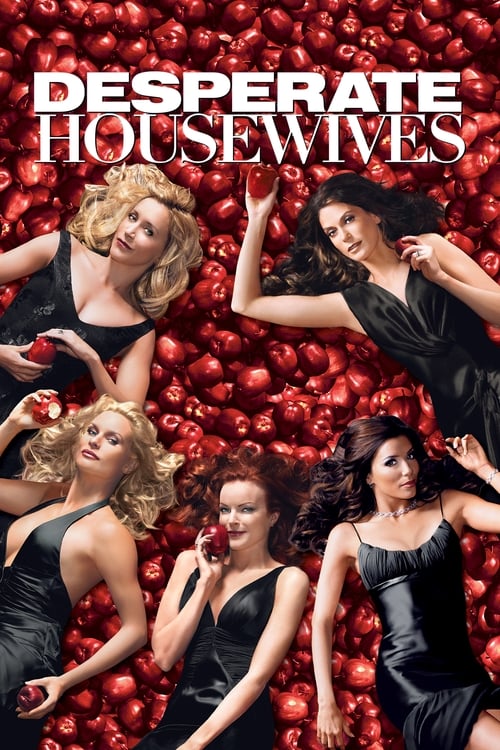
Desperate Housewives
Season 2 Analysis
Season Overview
The seemingly perfect lives in the suburban neighborhood of Fairview are shaken by the arrival of the mysterious Betty Applewhite.
Season Review
Categorical Breakdown
The introduction of the Applewhite family, the most prominent non-white characters on the lane, places them immediately as the secretive, violent, and criminal antagonists of the season, a narrative critics viewed as a problematic reliance on negative racial stereotypes. The main villain is Matthew Applewhite, a young black man, whose criminality is the driving plot. The storyline is highly controversial for its negative, stereotypical portrayal of a black family.
The narrative is a consistent satire and critique of the affluent, white, suburban middle-class culture of Wisteria Lane, framing the seemingly perfect community as a place of hypocrisy, secrecy, and profound personal desperation. The show does not attack the broader Western civilization or demonize ancestors, but focuses its cynical lens specifically on the contemporary suburban American dream.
Lynette's storyline inverts traditional gender roles as she enthusiastically returns to her high-powered advertising career, while her husband, Tom, becomes the emasculated and often incompetent stay-at-home father. The central female characters are deeply flawed rather than 'Mary Sues,' but the plot strongly suggests that professional life is superior to domesticity for the modern woman.
The main plot is focused on traditional male-female pairings, marital conflict, and heteronormative family dynamics, which are the subject of the drama. The show contains no lecturing on sexual ideology or the deconstruction of the nuclear family beyond the usual soap-opera drama of divorce and infidelity.
Carlos Solis's character becomes 'deeply religious' in prison, with his new faith becoming a point of conflict and an obstacle to Gabrielle's happiness. The main villain, Betty Applewhite, is also described as a 'deeply religious' single mother, linking religious fervor to dark secrecy and murder. Religion is therefore used as a source of hypocrisy and conflict rather than a source of transcendent morality or strength.