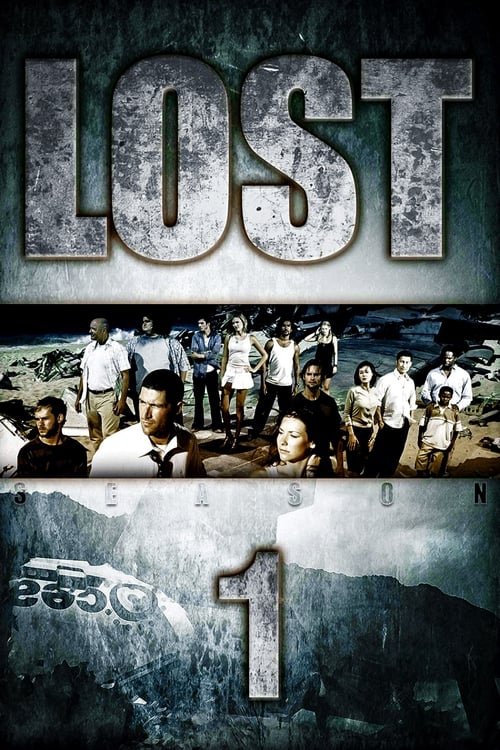
Lost
Season 1 Analysis
Season Overview
Mysteries abound on the first season of LOST as the survivors of Oceanic Air flight 815 find themselves stranded on an unidentified island with little hope of rescue.
Season Review
Categorical Breakdown
The casting is naturally diverse, featuring prominent characters from various ethnic backgrounds (Korean, Iraqi, Latino) who are integral to the plot. Each character's backstory, regardless of race, reveals deep personal failures, crimes, or trauma, establishing a universal standard of merit based on competence and moral struggle on the island. The narrative does not utilize race or intersectional hierarchy to assign moral value; an Arab character is a protagonist and former torturer, challenging post-9/11 stereotypes, and the primary 'heroes' are white males, neither of whom are consistently portrayed as evil or incompetent.
The score is low because the narrative's central hook is that the survivors' 'home' lives were profoundly broken, miserable, or criminal, suggesting that modern civilization is corrupting and a source of personal chaos. The island, by contrast, is presented as a place of potential rebirth, purpose, and destiny, a space where an individual is healed and finds their calling. The home culture is not 'demonized' in a broad, political sense, but personal history (pre-island 'home') is consistently portrayed as the source of the survivors' deepest problems.
The primary female lead is a competent, resourceful fugitive who is not a 'Mary Sue.' However, her character arc is frequently centered on a love triangle between two male leads, relegating her to an emotional foil. Another prominent female character's storyline is intensely focused on pregnancy and new motherhood, which aligns with complementary gender roles rather than an anti-natalist or 'Girl Boss' perspective. While the female characters are capable, the primary plot drivers and leadership roles in mythology and decision-making are predominantly held by men.
The first season adheres to a completely heteronormative structure. The main relationships and emotional subplots are between men and women. There is no presence of LGBTQ+ themes, representation, or exploration of sexual ideology. The traditional male-female pairing and nuclear family structure (even if broken or dysfunctional in flashbacks) is the unchallenged standard for sexual dynamics in this season.
The narrative is deeply invested in spiritual questions, framing the core conflict of the season as a contest between 'Man of Science' (Jack) and 'Man of Faith' (Locke). The island's mysterious power heals Locke and gives him a sense of destiny, actively affirming the power of the transcendent. While the show explores a complex, syncretic version of faith (fate/mysticism) that is not overtly orthodox, it treats spirituality and belief as a source of strength, purpose, and healing, entirely rejecting the idea that traditional religion is the root of evil.