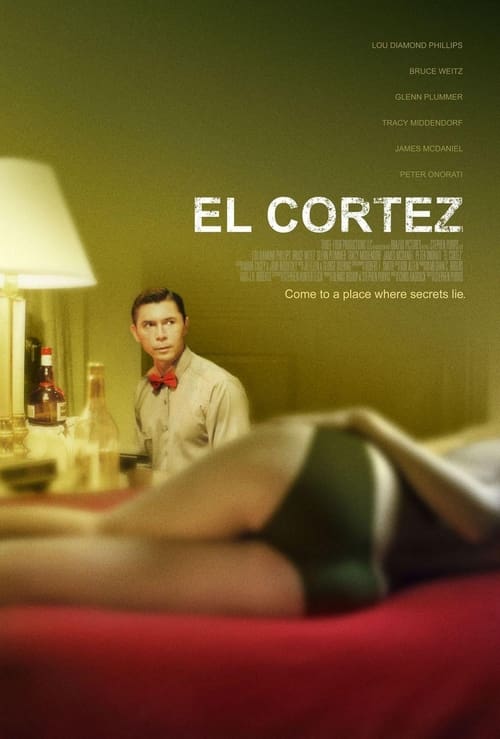
El Cortez
Plot
A man just released from a mental institution gets involved in a gold mine scheme while trying to avoid the cops, a wrathful drug dealer, and a sultry femme fatale.
Get the Weekly Woke Watchlist
New and trending movies scored for woke bias, preachy messaging, and forced political themes — before you waste your evening.
No spam. One useful email per week.
Overall Series Review
Categorical Breakdown
Characters are judged by their flawed actions, their struggles with inner demons, and their involvement in criminal schemes, not by race or systemic oppression. The casting, which includes white and non-white actors, serves the colorblind tradition of the genre. The protagonist’s autism is an element of his personal difficulty and psychological struggle, not a tool for a lecture on privilege or identity politics.
The film utilizes a gritty, corrupt setting—a criminal underworld in Reno—which is a critique of human vice and desperation, not an indictment of Western civilization or its core institutions. The story is a localized tale of moral decay common to the neo-noir genre and contains no thematic material suggesting global civilizational self-hatred or a moral superiority of external cultures.
The primary female character, the femme fatale Theda, is a classic noir archetype who is sultry, manipulative, and destructive to the male protagonist. This characterization is the direct antithesis of the modern "Girl Boss" trope. The narrative emphasizes a traditional, albeit deadly, gender dynamic where the woman's power is based on seduction and deceit, not on promoting anti-natalist or female superiority messaging.
The narrative centers entirely on the classic noir dynamics of a heterosexual love-triangle-of-ruin involving the protagonist, the femme fatale, and a drug dealer. The film contains no evidence of centering alternative sexualities, deconstructing the nuclear family, or engaging with modern gender ideology. Sexuality is treated as a private element of the adult crime thriller plot.
The movie operates within a secular moral framework typical of the neo-noir genre, where characters are driven by greed, fear, and personal desperation. There is no content that actively attacks or demonizes traditional religion, nor are Christian characters portrayed as bigots or villains. The moral world is ambiguous, but this ambiguity stems from human vice rather than anti-theistic lecturing.
Get the Weekly Woke Watchlist
New and trending movies scored for woke bias, preachy messaging, and forced political themes — before you waste your evening.
No spam. One useful email per week.