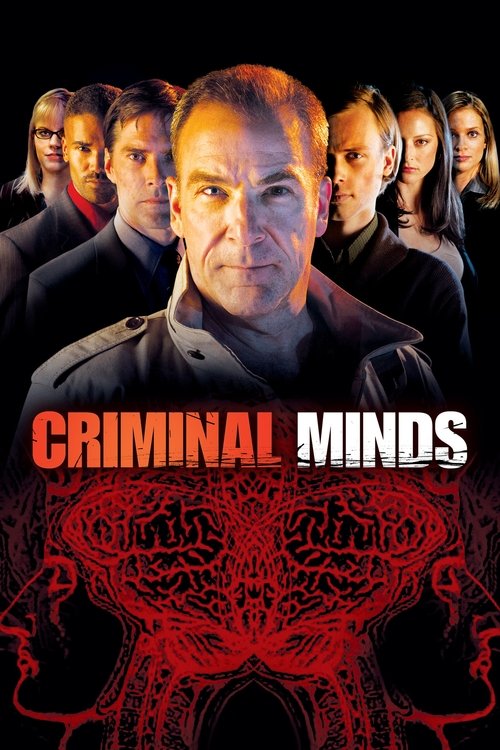
Criminal Minds
Season 1 Analysis
Season Overview
No specific overview for this season.
Season Review
Categorical Breakdown
The narrative universally applies the lens of psychological pathology, not race or intersectional hierarchy, to determine character quality or the nature of the crime. The multi-ethnic team functions entirely based on individual skill and intellectual contribution. The show features a Black FBI agent who dismisses critiques of systemic racism in law enforcement as unsupported conspiracy theories, actively pushing back against a core anti-whiteness narrative.
The series is a robust defense of a key Western institution—the FBI's Behavioral Analysis Unit. The main characters are heroes who protect the national civil structure from monstrous, individualistic evil, portraying institutions like law enforcement and the traditional family unit (Hotchner) as necessary protections against chaos. There is no narrative of civilizational self-hatred.
The core female characters are highly competent agents (Profiler, Liaison, and Technical Analyst) who drive the plot with their intellectual and professional skills alongside their male counterparts. Male agents are depicted as strong, protective, and intelligent leaders. The show presents a distinct but complementary relationship between the genders, where neither side is depicted as bumbling or universally toxic, and the nuclear family is not vilified.
The plots revolve around criminal psychology and violent heterosexual crime, which is the demographic of serial killers the team profiles. Sexual identity is not centered, nor is it a defining trait for any main character. The show maintains a normative structure, with no inclusion of queer theory, gender ideology, or deconstruction of the traditional nuclear family unit.
The foundation of the show rests on the certainty of objective, transcendent evil (the Unsub) and objective good (the BAU). The narrative therefore operates on a higher moral law, not subjective power dynamics. While crimes occasionally have quasi-religious elements (like a Satanic cult), the show vilifies the perversion of faith by individuals, not traditional religion itself.